
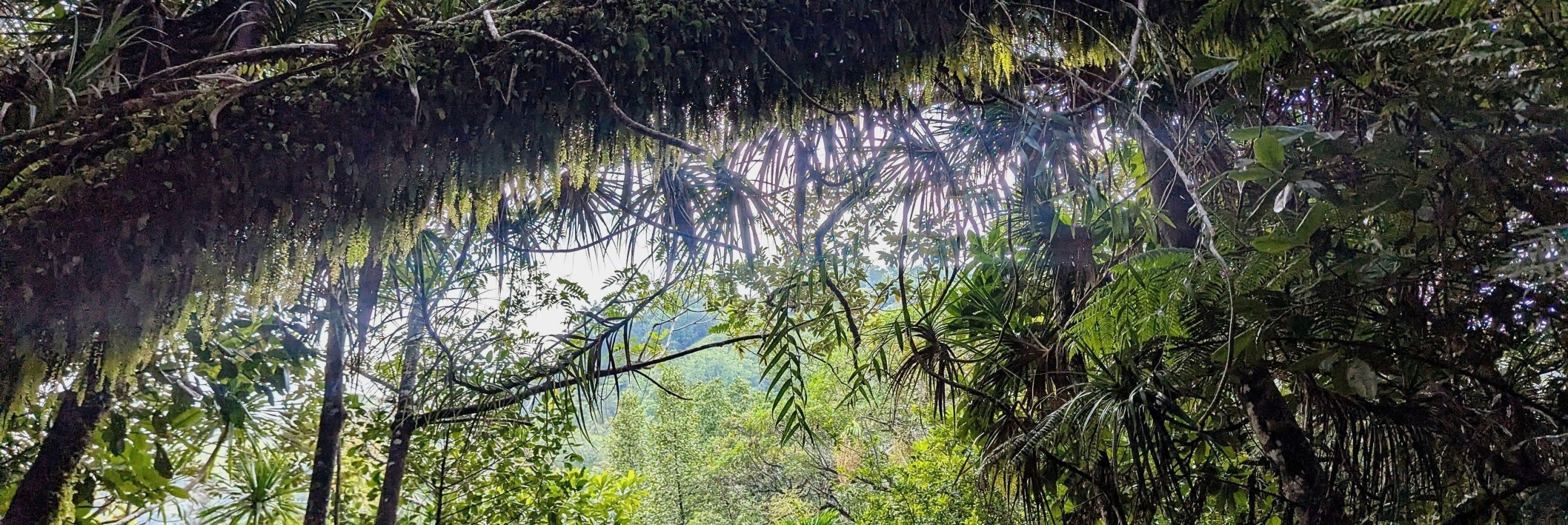
palau
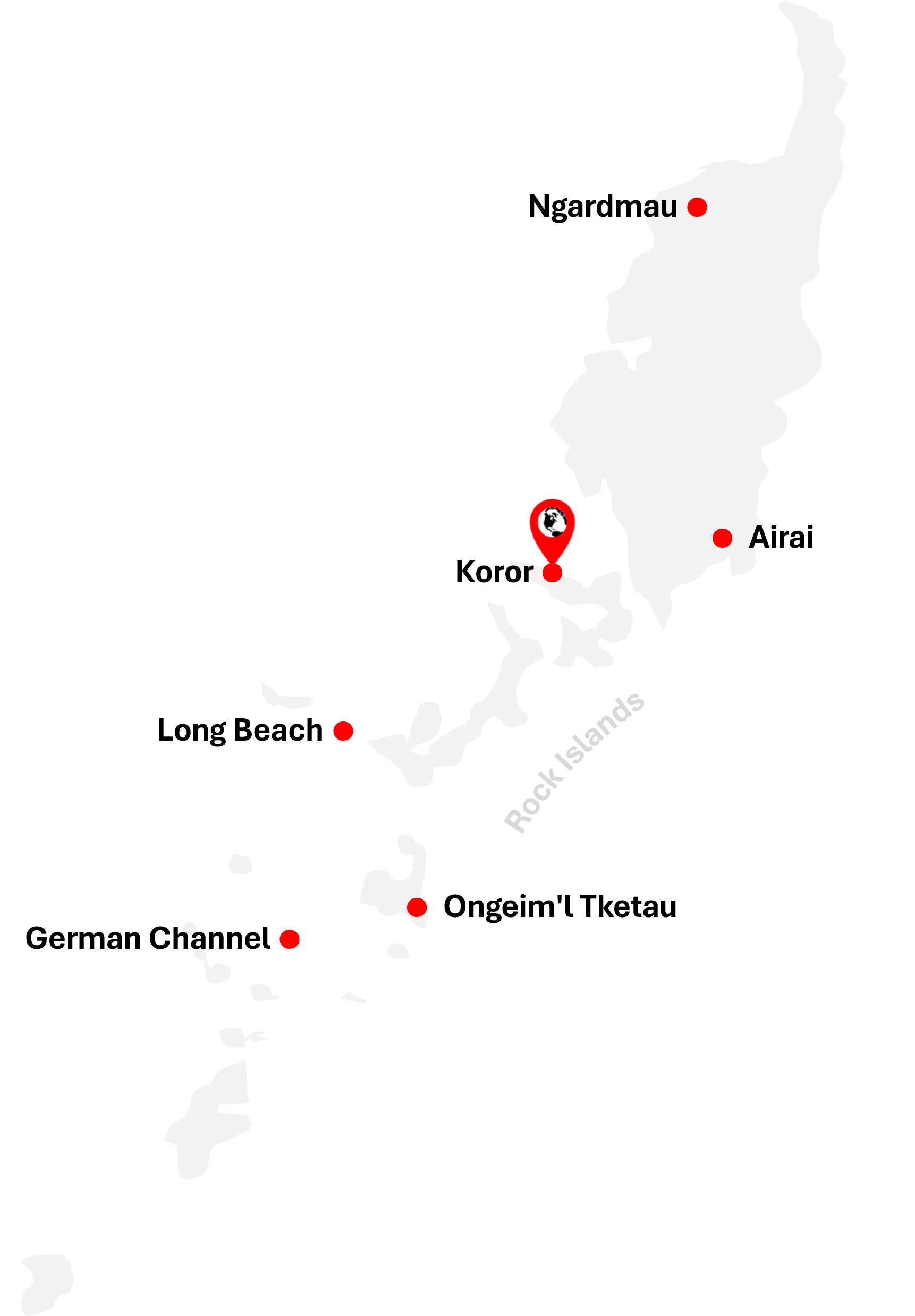
Where: Koror Island, Rock Islands Southern Lagoon, Babeldaob Island. Palau, Oceania.
When: September - October 2026
What: Bai ra Ngechesechel ar Cherechar, Bai Ngarachamayong, Ngermalk beach, morning kayak in the Rock Islands, Ngardumau and Mesekelat Waterfall swimming and jungle hike, first ever solo hike, Palau Independence Day celebrations, shaking hands and speaking with the President of Palau, swimming with jellyfish in Ongeim'l Tketau (Jellyfish Lake), the Milky Way white limestone and volcanic sulfur mud, walking along Long Beach sea bar, Snorkelling in the Rock Islands at Rose Garden, Airai Bai.
How: International flight, domestic flight, walking, speedboat, kayak, tours, airport transfers.
Wildlife spotting: Golden Jellyfish, Giant Clams (Blue Lips of Palau), a wide variety of marine fish including the Raccoon Butterflyfish, Threadfin Butterflyfish and Pacific Parrotfish.
Country counter: No.102
Illnesses or mishaps: Facing off against aggressive semi-wild dogs in a misguided morning walk through suburban Koror; injuring my right foot after slipping in the rainforest.
Admittedly Palau, a Pacific island nation roughly equidistant from Papua New Guinea to the south and the Philippines to the west, doesn't have the highest of profiles as a country. Only the more worldly people I spoke to have heard of it, with many others replying to my holiday plans with, "Where's that?" and "Sorry, where's that, exactly?". As you know by now, I like to go to places so many don't; the benefits frequently outweigh the challenges, and so it proved thus again in Palau.
Palau has something of an identity crisis abroad: there is a place in Italy also called Palau. Palau has a capital city called Ngerulmud which, I suspect, surpasses even Brunei's Bander Seri Begawan as one of the least-known capital cities in the world. What's more, travelling here resulted in my being faced with an inconsistent collection of names for the same trip: my airline booking was for a flight to "Koror" but on dropping my bag off at the airport the screen displayed "Bebelthuap" as its destination. More perplexingly still, airport departure screens simply stated the country name "Palau" along with onboard announcements. So where was I travelling to: Koror, Bebelthuap or Palau? The correct answer was all three. Imagine booking a flight to Barcelona only for your airline to variously refer to "Barcelona", "Catalunya" or just "Spain" at different stages of the journey. It appears the travel world isn't quite sure what to call this tiny Micronesian nation inhabited by just 18,000 people. Palau also seems to be one of only a handful of countries I've visited which doesn't come with a Lonely Planet guide, not even a few pages in a bigger regional book. So, a visit to Palau is a visit to one of the world's emerging destinations.
There is only one weekly flight from Australia to Palau meaning that I had the choice of staying in the country for half of a day - or eight. Eight days is longer than I would normally stay on a solo trip but one lasting less than a day obviously wasn't viable. I procrastinated for a while before committing but, in hindsight, eight days was fortuitously the optimal time to explore the riches dotted across all points of the Palauan compass: tropical jungle, waterfalls, unique stingless jellyfish, limestone rock islands covered with fervent vegetation visually levitating above turquoise waters, multicoloured spangling fish darting through otherworldly coral, crystalline marine lakes dotted by giant clams and some of the most pristine landscapes anywhere in the world...
As Australia reaches out into the Pacific Rim in a bid to counter China's influence in the region, I was fully aware that the Qantas flight I boarded in Brisbane was almost solely the product of intensifying geopolitics in the Pacific. Quite wonderfully this new route has been dubbed the "Palau Paradise Express". Indeed, the following announcement made during my flight confirmed this: "And Qantas would like to acknowledge the Australian Government for supporting this flight, bringing the peoples of the Pacific closer together". As a traveller keen to see different worlds, and with Oceania being among my favourite continents, I see new flight routes arising out of geopolitical forces as unique, golden opportunities which may ebb and flow with changes in the political tides. It is the same forces that were, undoubtedly, the catalyst for Qantas also flying new direct passenger services from the Australian mainland to Tonga and Samoa in 2022 and the Solomon Islands in late 2023 - flights that I have taken full advantage of. And so, as Qantas' routes reach out across this special watery continent, so do I... As far as Palau is concerned, I don't mind admitting that travelling to an island nation where there were no outgoing flights for over a week was a new and daunting experience. Indeed, on arrival at Palau International Airport I could not see a single aircraft except for the one I had just disembarked from. I received the distinct impression that the whole airport had awoken just for us, no doubt collapsing back into a Pacific late-afternoon humidity-induced slumber as soon as we had been processed and the Palau Pledge stamped and signed in each of our passports. Palau is listed in the top twenty of least-visited countries in the world.
Palau was more incredible than I could ever have dared to conceive. This tiny, proud country with world-leading eco credentials bursting with fervent jade landscapes, tropical waters, characteristic humid downpours and smiling locals was my 15th solo country, my 10th country on the continent of Oceania and my first time in Micronesia. It was also my 102nd country. I'm just astounded that it took me 101 countries to discover this special place...
I based myself in the Ikelau area of Koror in a neatly fitted out Japanese hotel surrounded by lush Palauan greenery - the kind of view which nourishes the soul and soothes your heart. The view from my hotel room balcony was a holiday in itself and worth every U.S. cent I paid. The hotel came complete with a kitchenette including microwave, toaster, kettle and induction hob - everything I needed to cook my own meals for the duration of my stay. This is my modus operandi when travelling solo in a country where there are relatively limited or questionable restaurant options: I cook for myself.
I awoke to my first morning in Palau, opening the curtains and heading straight out on the balcony. The one-hour time difference between Sydney and Koror meant that I was up in good time to experience day breaking over the palms (I'll never tire of watching palm trees bristling in the breeze). Subdued pinks gave way to a milky yellow sky and, as it did so, the heat and humidity began to rise. Of course, it wouldn't have been a sunrise in a Pacific island country without the sound of cockerels cock-a-doodle-dooing and the odd half-wild dog barking the morning into its existence, both seemingly trying to raise the morning out of its own bed by way of an ebullient cacophony. Breakfast took place in the hotel's rooftop terrace with its sweeping views out across the forest. With just a little imagination it was quite possible to conceive that I was not in Palau's largest town but, in fact, in the middle of the densest of Micronesian jungles. The illusion was sometimes broken by the sight of a light in the distance, the odd dangling cable or the revving of a nearby car. That's progress I suppose. I took breakfast with two Australians from Queensland who beckoned me over as I took my plate of eggs to a nearby table. "You can sit with us if you don't want to sit on your own". We'd shared the transfer ride from the airport. They soon invited another couple to join us. We all chatted for the best part of an hour or so about travel, experiences and our plans for Palau. It's so like Australians to be gregarious and bring people together in this way. We were all to meet again at various points, each time swapping stories of our adventures from the previous day. As a solo traveller on this trip, I was generally glad of such regular company.
My first two days were spent orienting myself around the bland, functional affair that is the tourist hub of Koror town. Respite from Koror's Main Street, populated by boxy buildings, bubble tea shops and coffee shops purveying below average beverages, came in the form of the traditional Palauan Bai houses - first, the one at Belau National Museum and the other at the Ngarachamayong Cultural Centre. These remarkable longhouses speak so much of this island place, with their detailed pictorial artwork and steep thatched roofs. The triangular front gables and interior beams of the Bai double as storyboards and historical records of the village - a Palauan take on the Bayeux Tapestry, I suppose. Bai are painted in vibrant colours with a unique collection of symbolic motifs, including the rooster (masculinity), the spider (fertility and reproduction) and the shark (strength). These buildings really are a world marvel and an absolute privilege to see. Both of these Bais were modern reconstructions but later I would visit Palau's oldest at 140 years old: the grand and beautiful Airai Bai on Babeldaob Island.
Fortuitously, I found myself in Koror on October 1st during a significant day in the Palauan calendar - Palau's Independence Day. Also, fortuitously I arrived at just the right moment in the celebratory proceedings when flag-bearing couples took to the stage in exquisite cultural dress: bright colours and garments fashioned from a variety of natural materials, including palm leaves, grasses and coconuts. Each of the couples represented one of the sixteen states of Palau. What a beautiful display of local culture! There were smiles all round. The flag-bearing ceremony concluded with all state Governors and the Palauan President joining the display for a photo opportunity. Shortly afterwards, as the President made his way through the crowd of locals, I would approach President Surangel Whipps and introduce myself as a tourist from Australia; only weeks before had I seen President Whipps on an ABC News (the Australian public broadcaster) report espousing the high value Palau places on visitors from Australia. It was this insight which caused me to introduce myself in this way. Our brief exchange went as follows:
Me: "That was beautiful, thank you. I'm a tourist from Australia."
President: "You are welcome."
Shakes my hand
"Our flights double to Australia soon. We're very excited!"
Me: "That's right, in December."
And so, I can legitimately claim to have shaken the hand of, and spoken with, the President of Palau. It was a brief interaction, yes, but I already know that it'll be something I'll never forget nor tire of regaling at every opportunity to anyone who'll listen.
Koror is home to the Ngermalk beach and a nearby hiking trail. I was stuck for something to do, having been completely unable to secure a tour despite much effort, so I set about tackling the Ngermalk Trail alone. This doesn't sound too intrepid, but the previous day I'd injured my foot. There was also the small matter of not having any connection on my mobile phone. The trail wasn't clearly marked either, just the occasional rotten pink ribbon tied to branches. So, I entered the Ngermalk Trail with much caution. The humidity in this little slice of jungle rainforest was unbelievably high; my cap was soon dripping and my vest soaked. Hiking in a dark, humid rainforest alone with an injured foot and without a functioning phone to call for assistance should I need it is, perhaps unsurprisingly, an unsettling experience. There were parts of the trail that were easy, and others which involved scaling staircases of roots and volcanic rock. Having reached the top of this latest hurdle I made the wise decision to call it quits and head back the way I came. The Ngermalk Trail may have been adjacent to a popular beach and Koror's Main Road, but it was wild, dense and all encompassing. Emerging from the darkness of the jungle over an hour after entering, I cooled off in the tepid waters of Ngermalk Beach, drying my sodden vest on a beachside palm like the locals do.
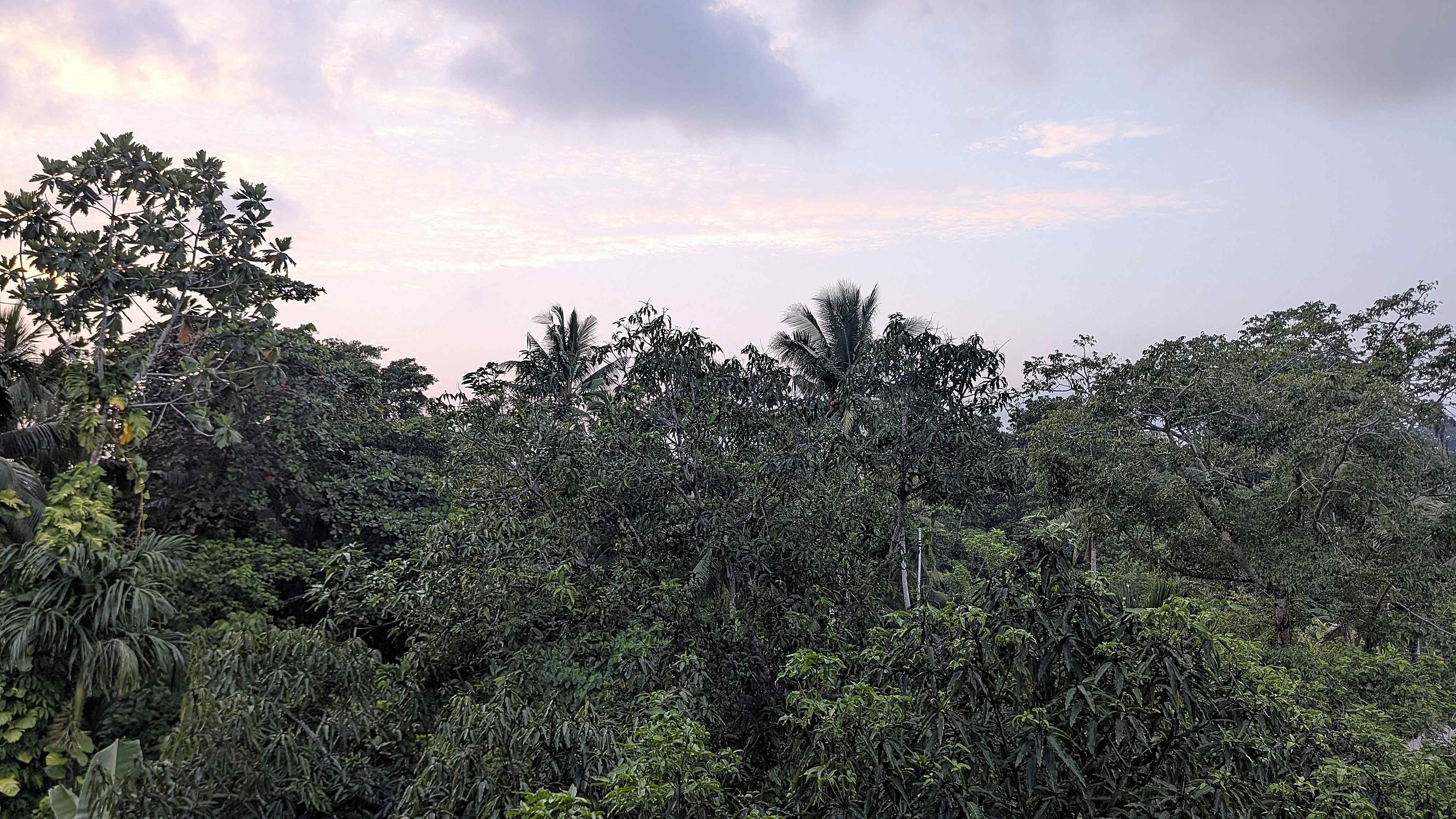
The wonderful jungle view from my hotel room. Waking up to this each morning was worth every U.S.Cent.
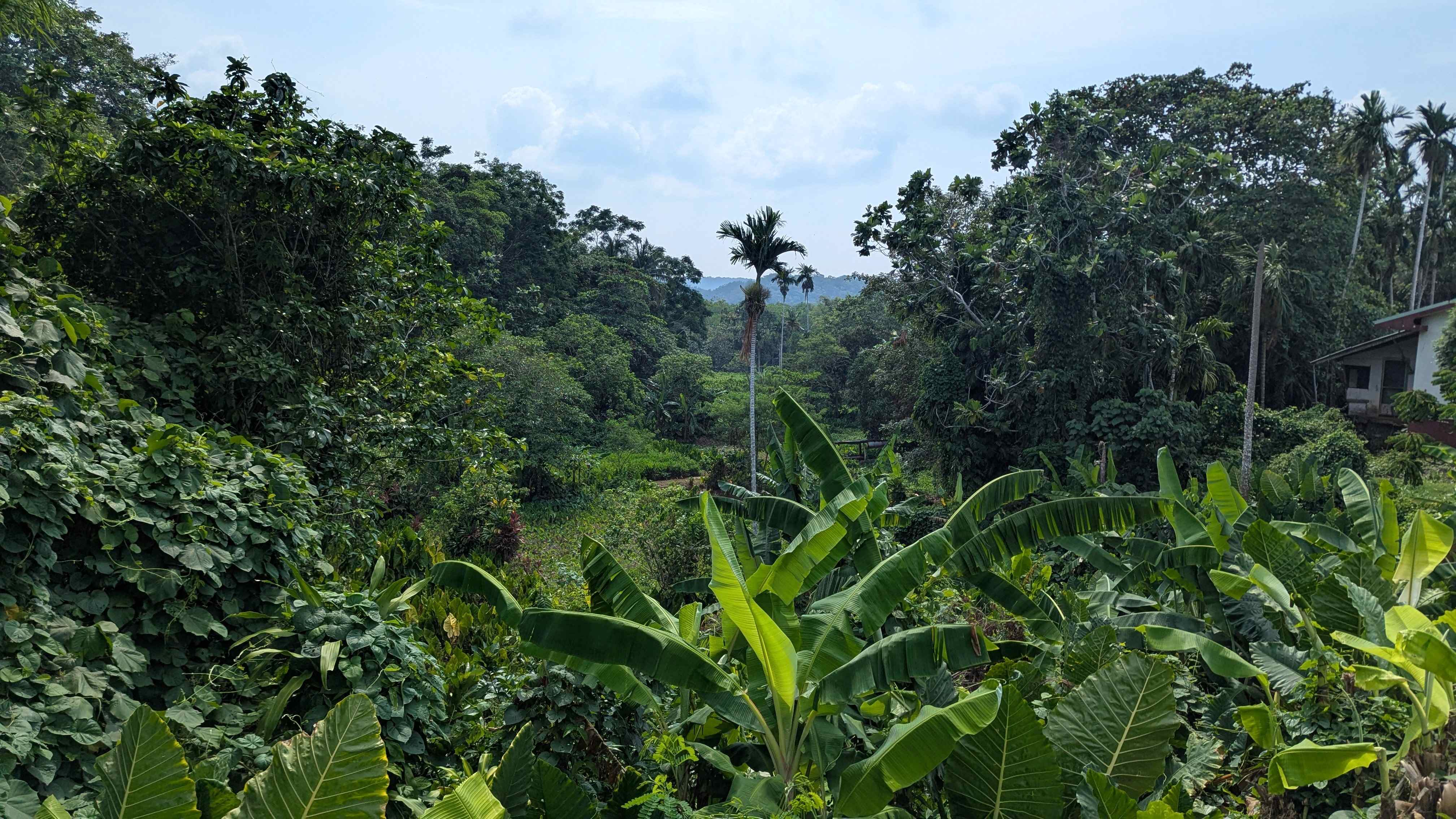
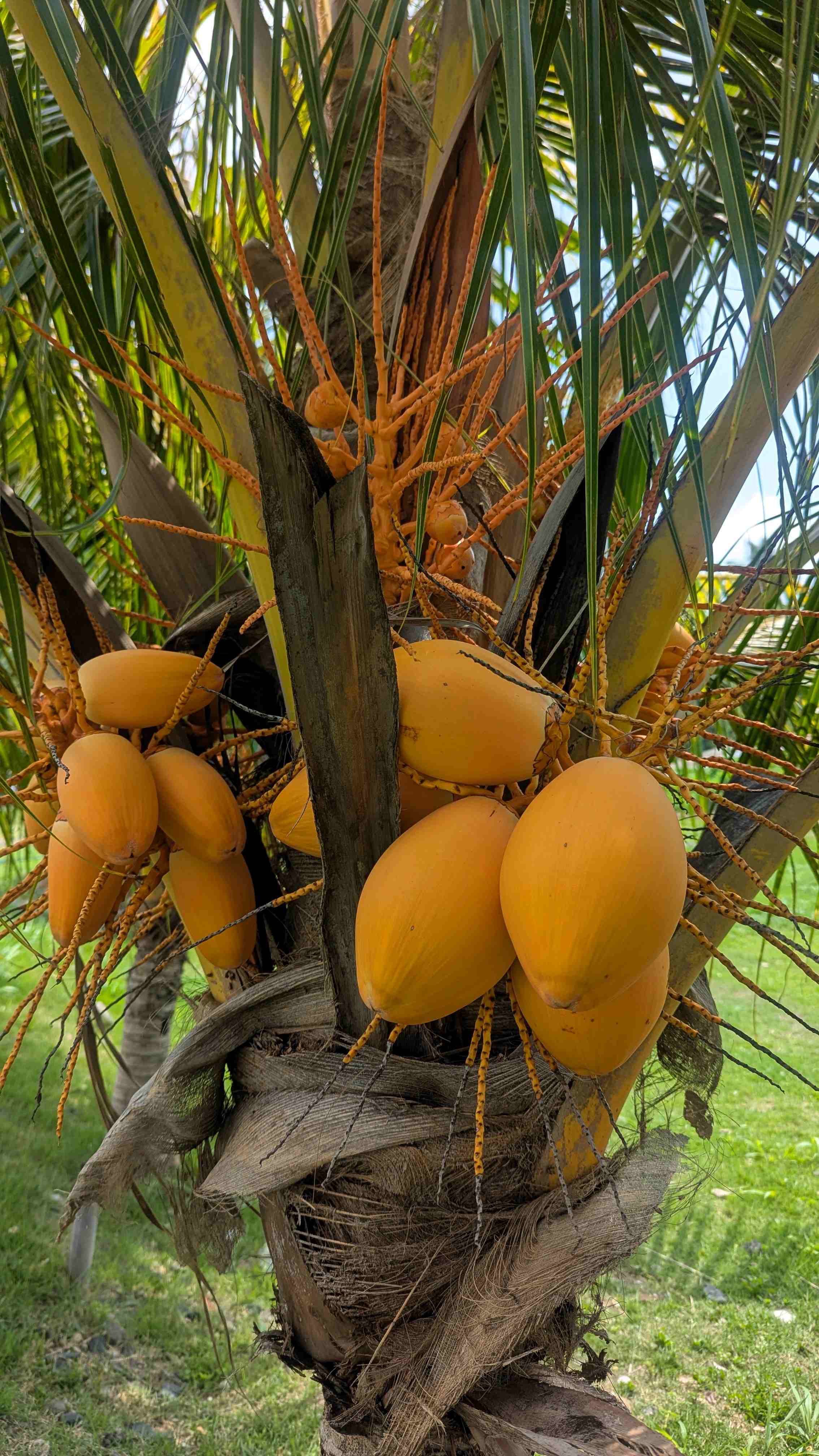
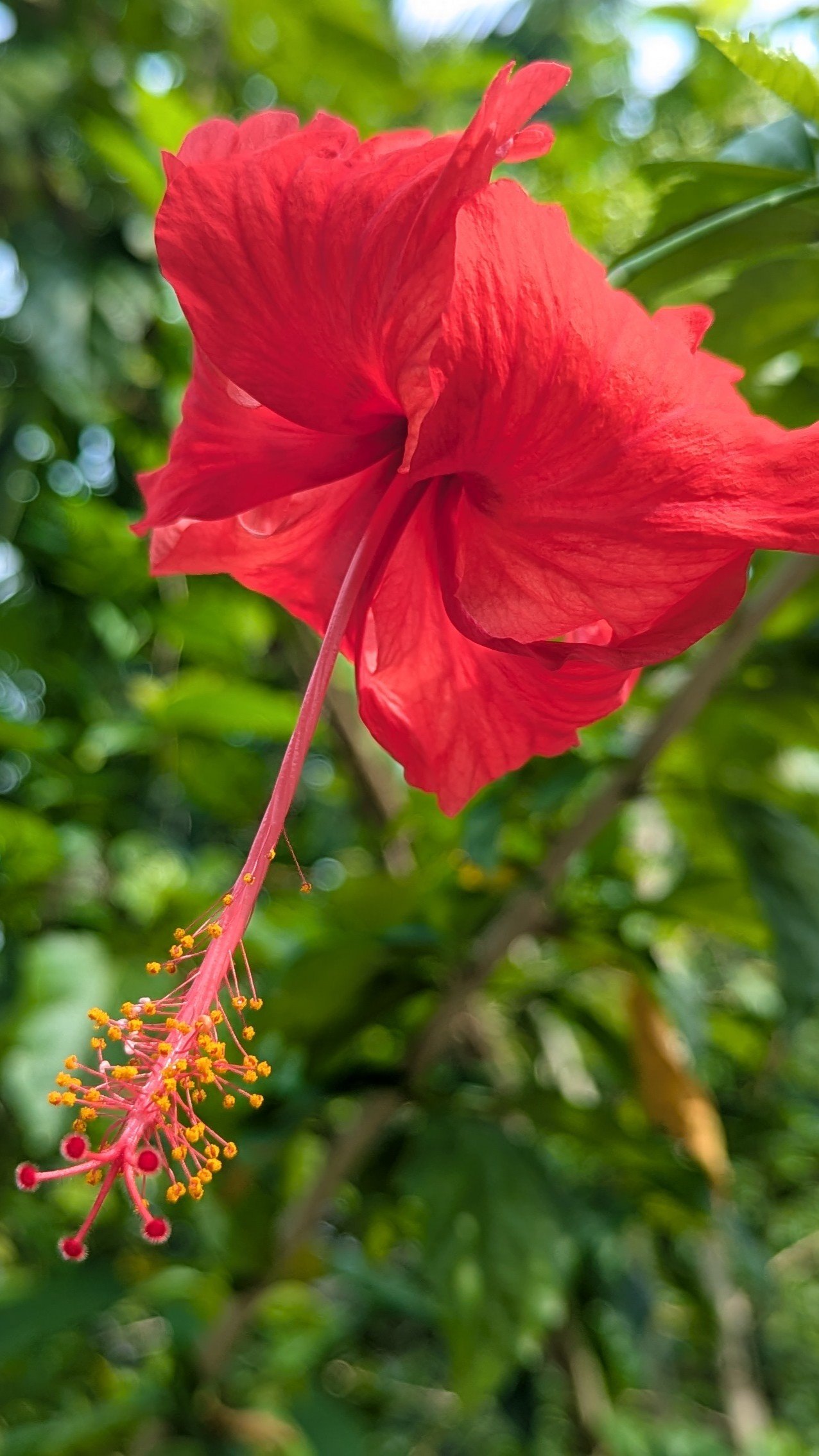
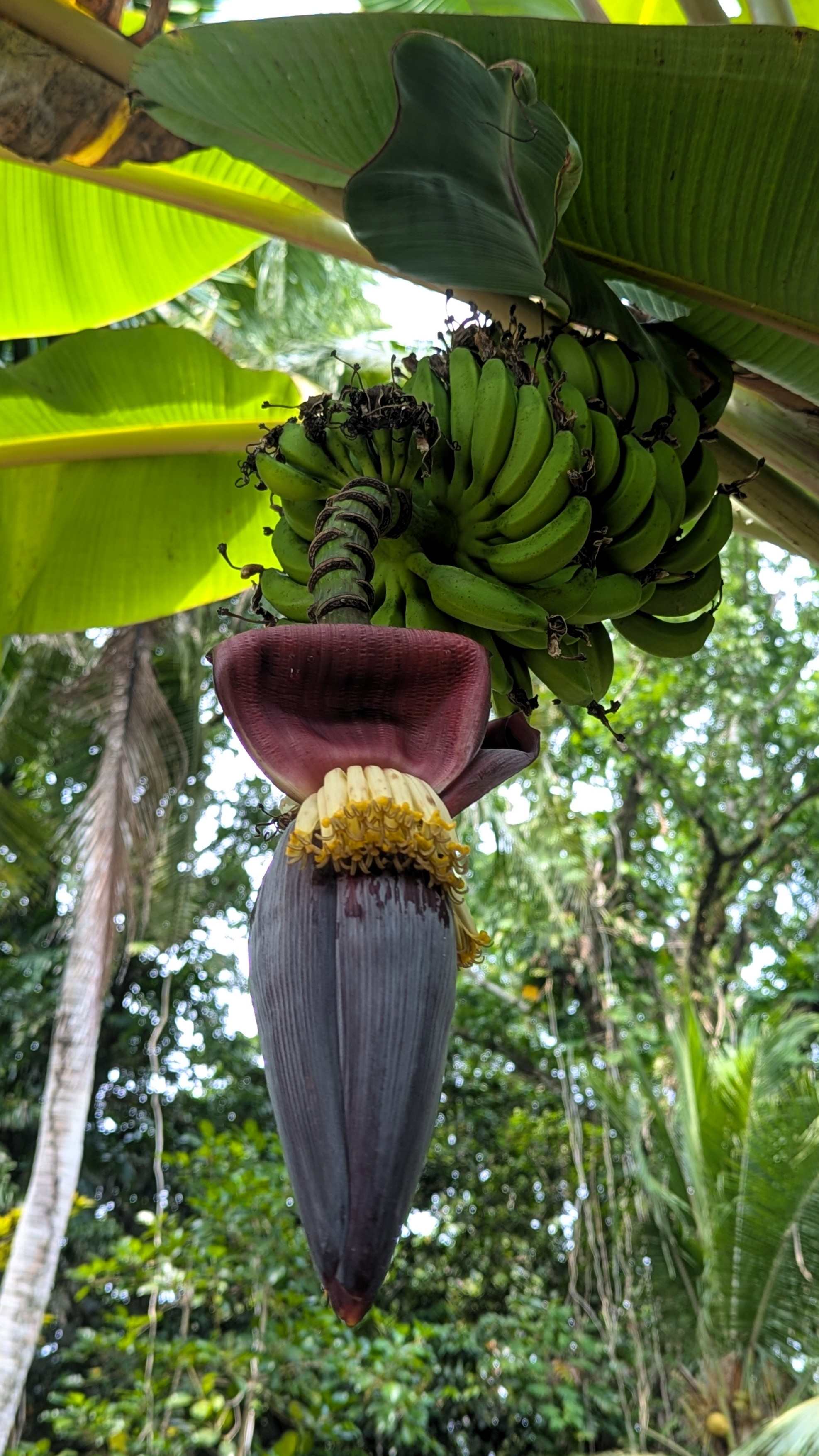
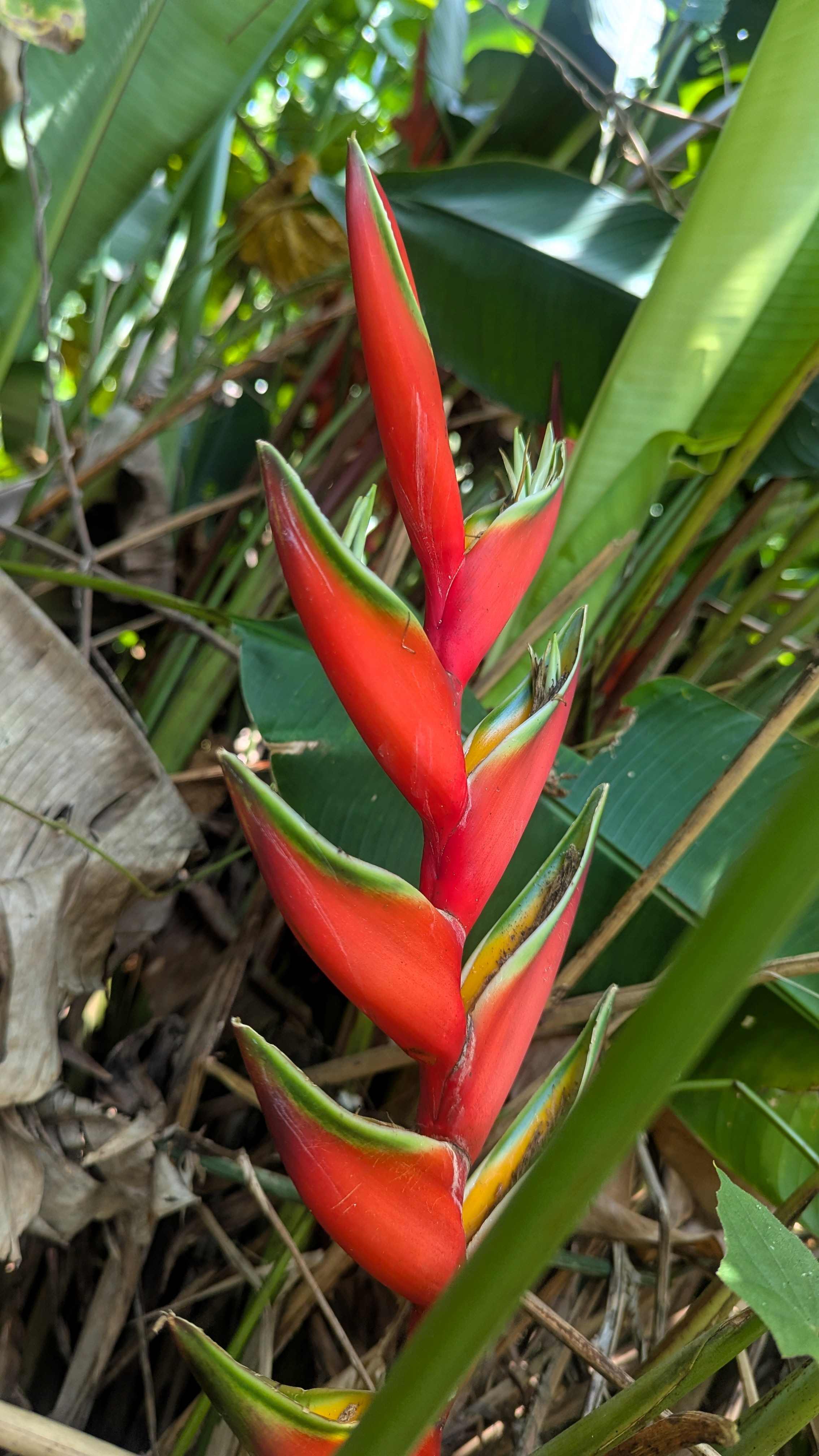
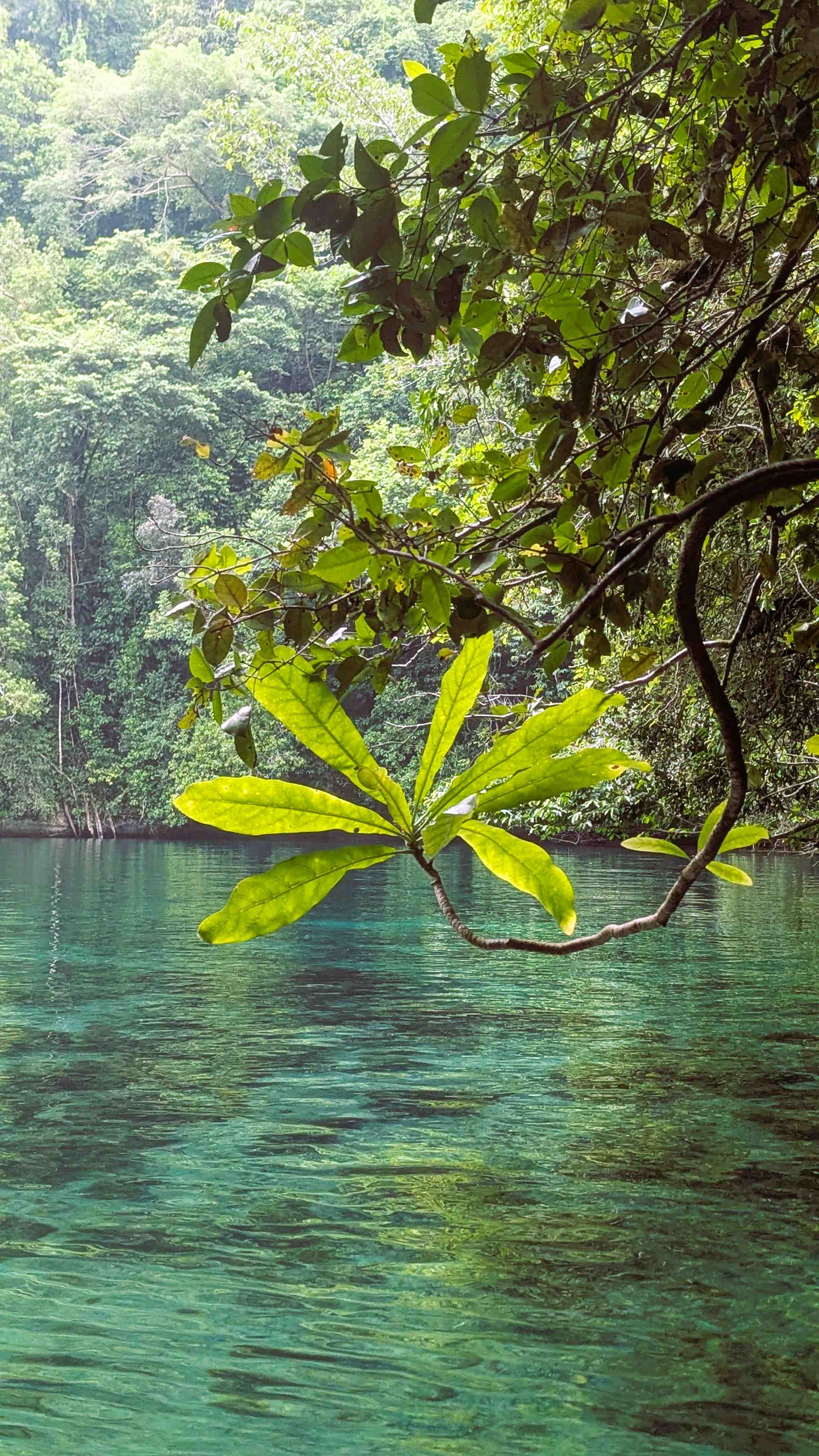
Koror Island: Palau's greenery is lush, tropical, pristine and ubiquitous.
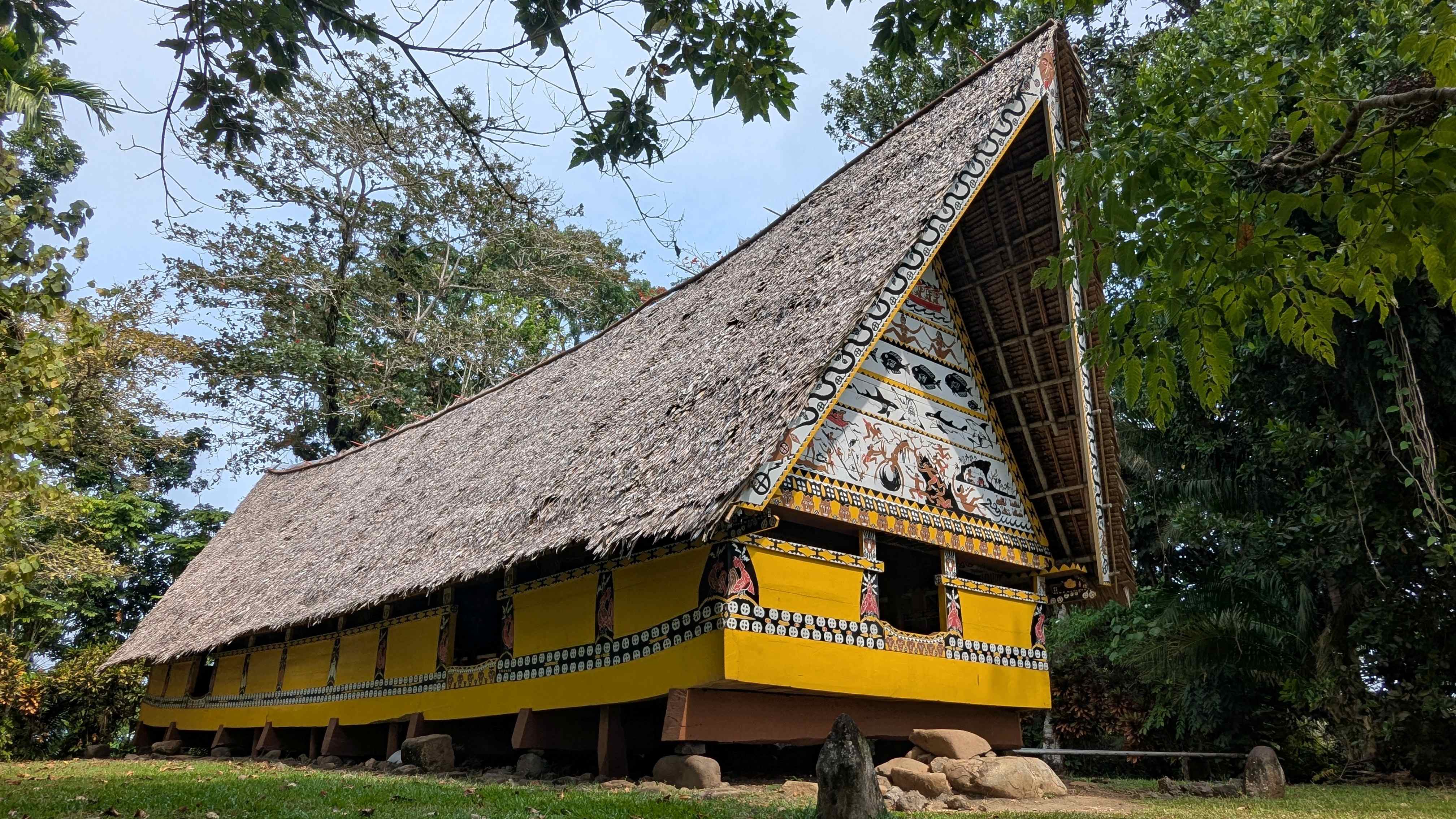
The incredible Bai ra Ngechesechel ar Cherechar. These remarkable longhouses speak so much of this island place.
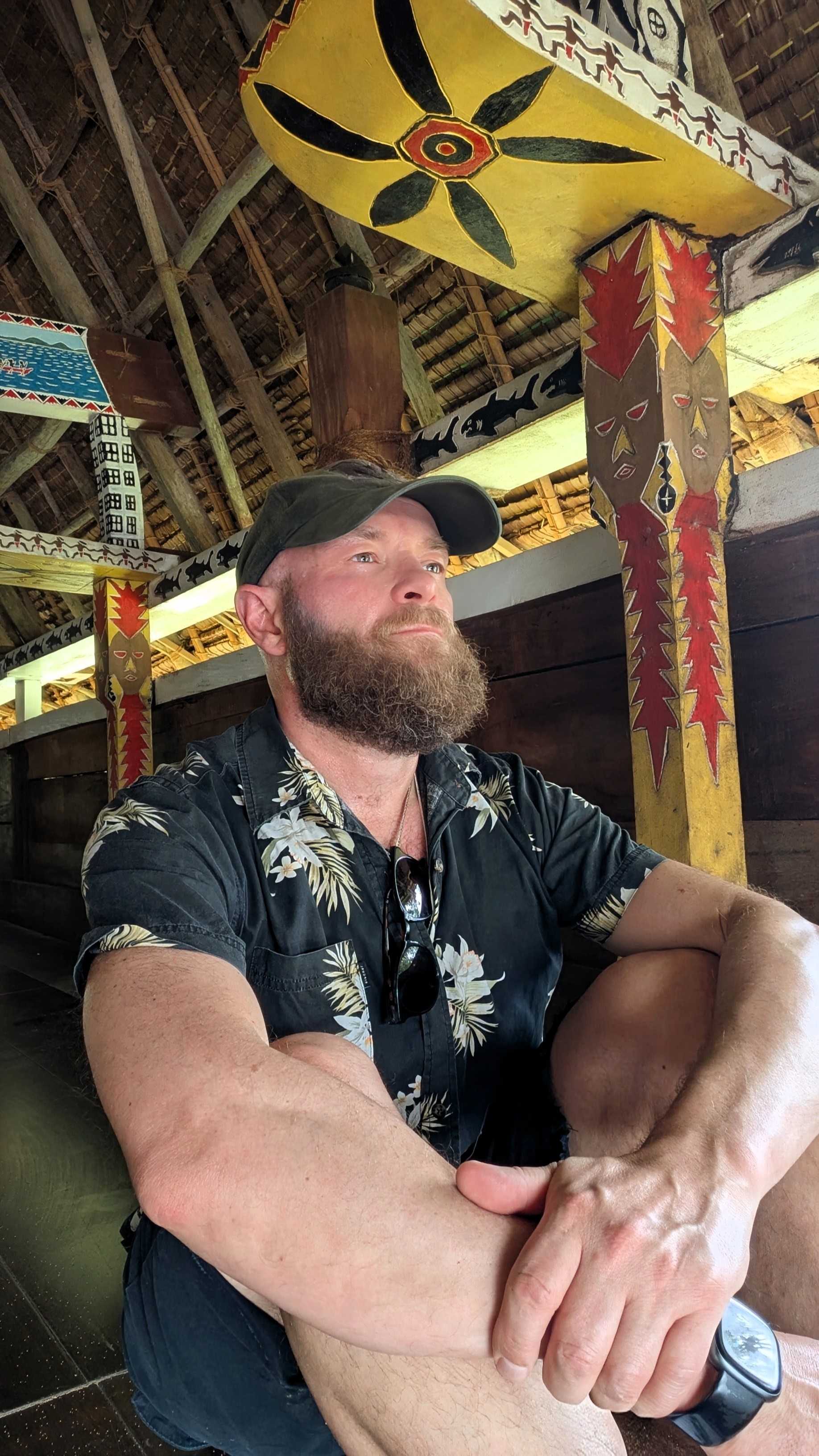
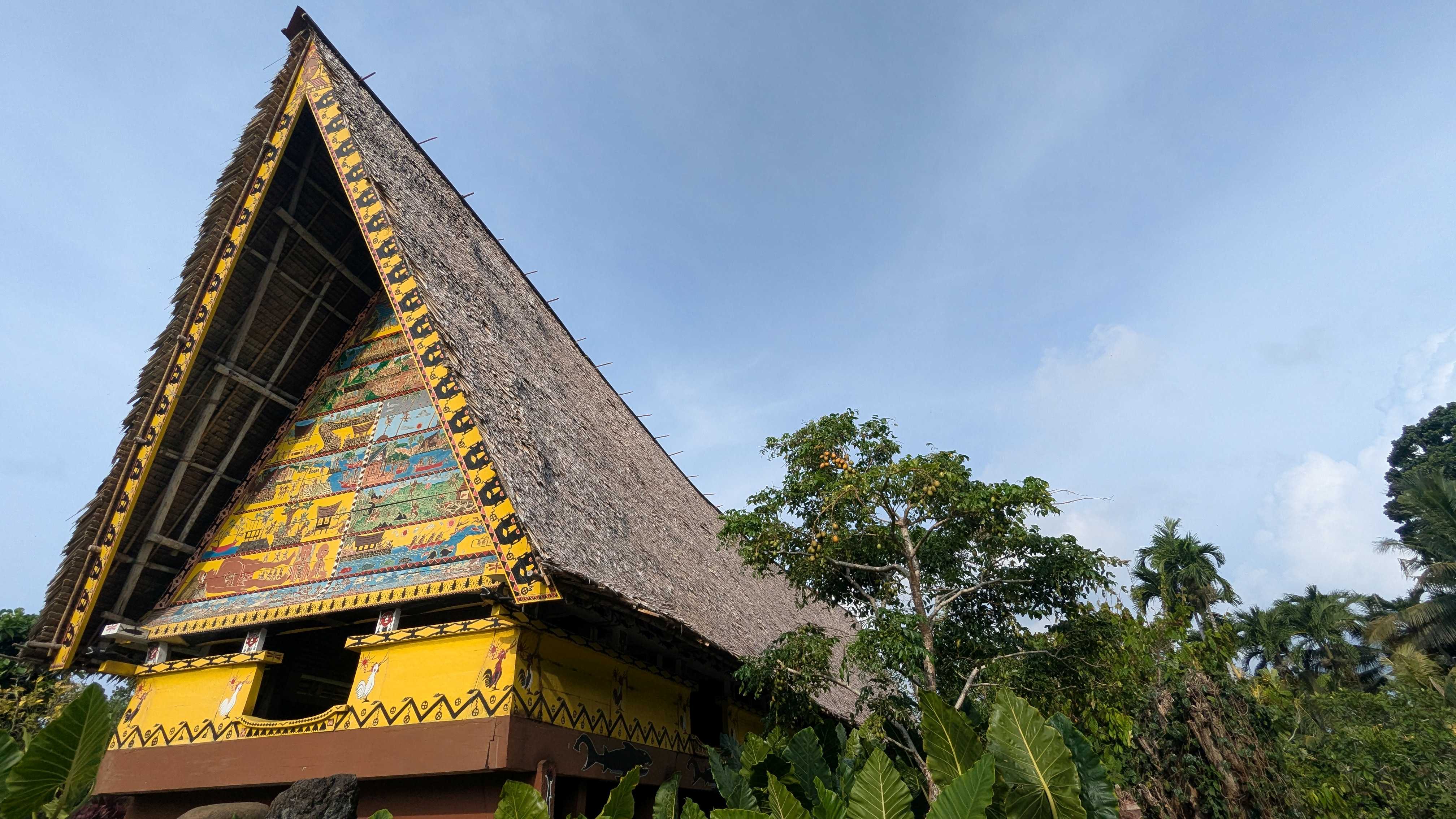
Bai Ngarachamayong. These traditional longhouses a world marvel and a privilege to behold.
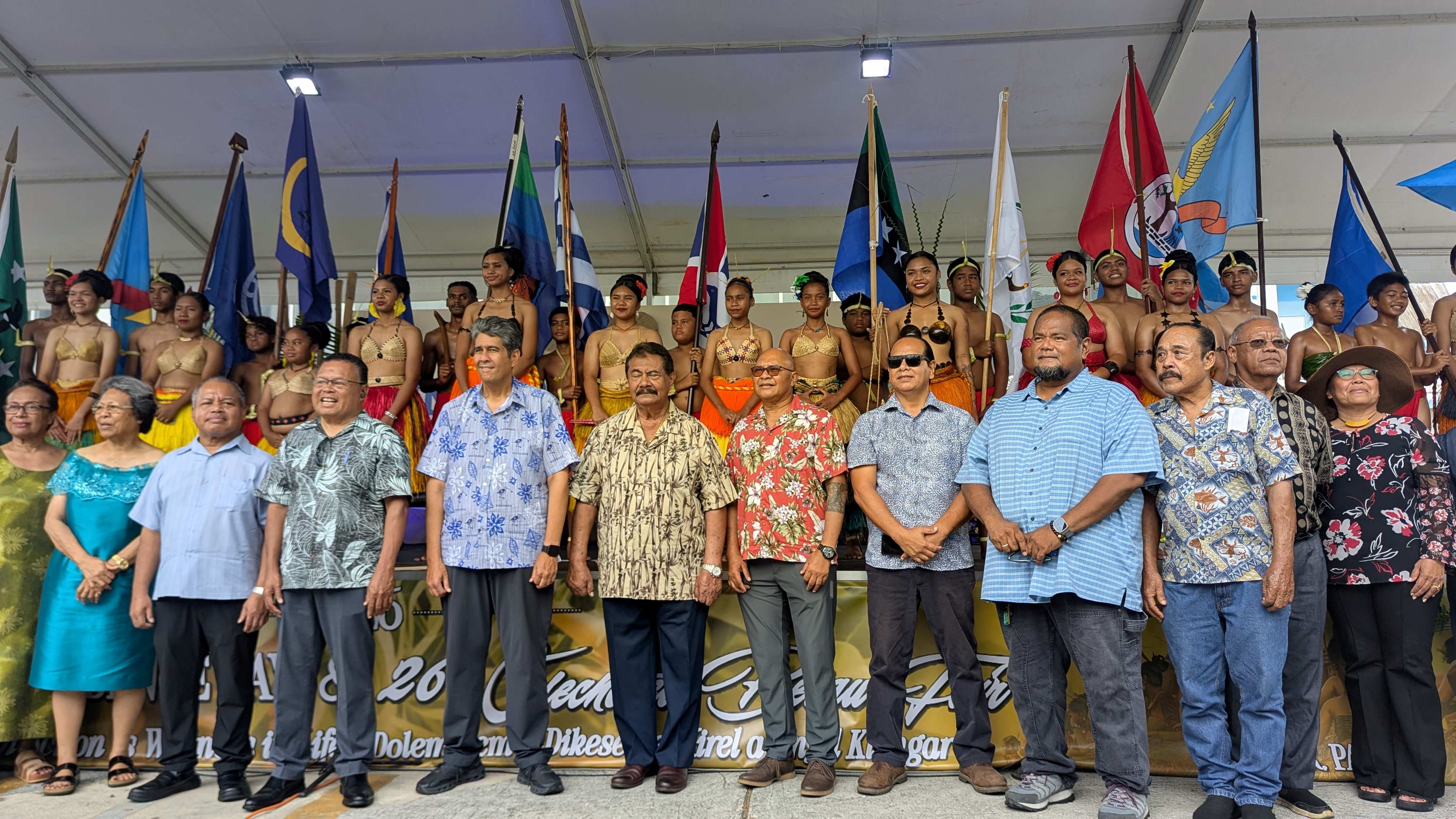
Important people, including the President of Palau and the flag bearers of the country's sixteen states, gather for a photo opportunity on Palau Independence Day. Shortly afterwards I would shake the hand of, and speak to, the President.
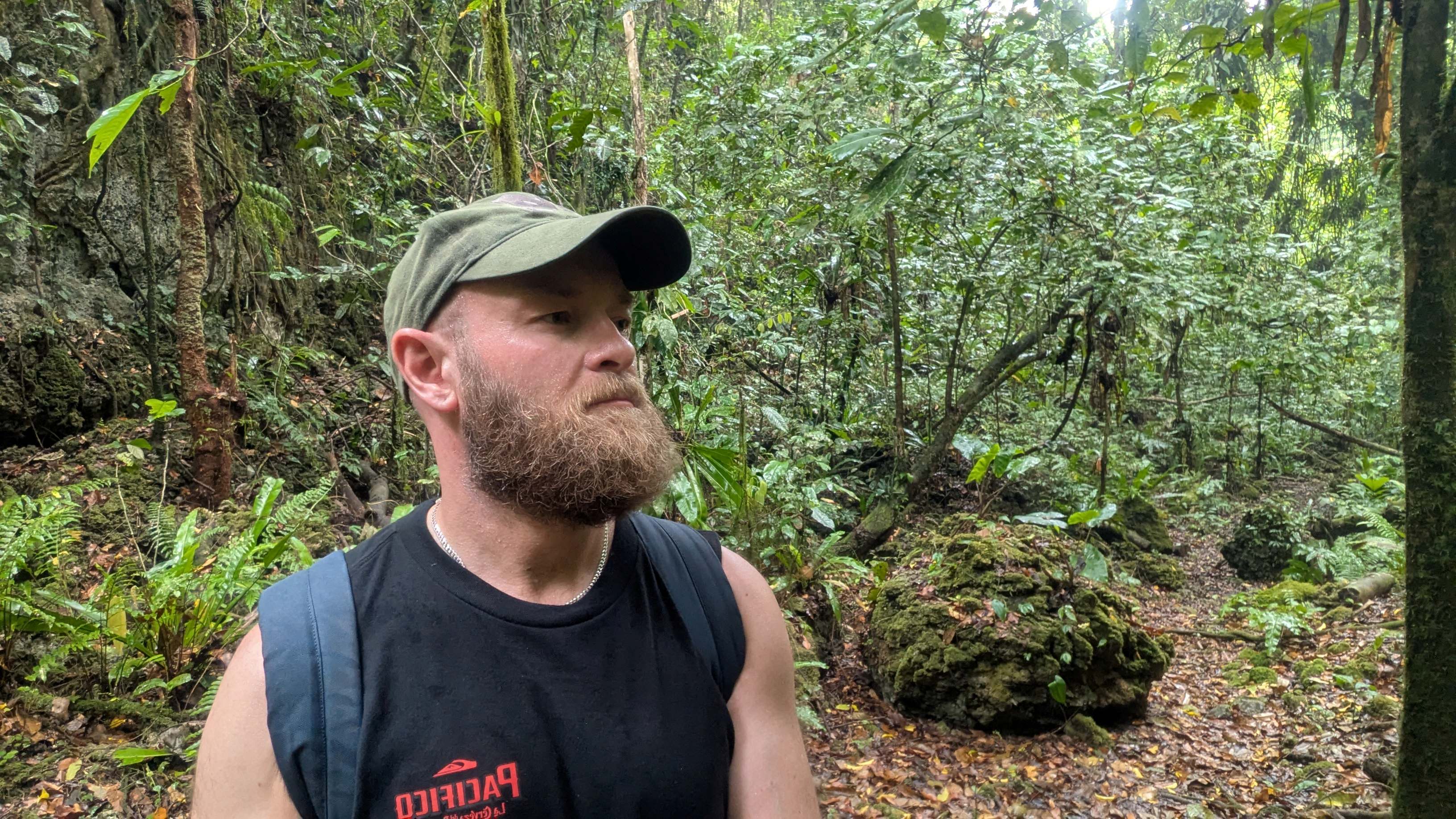
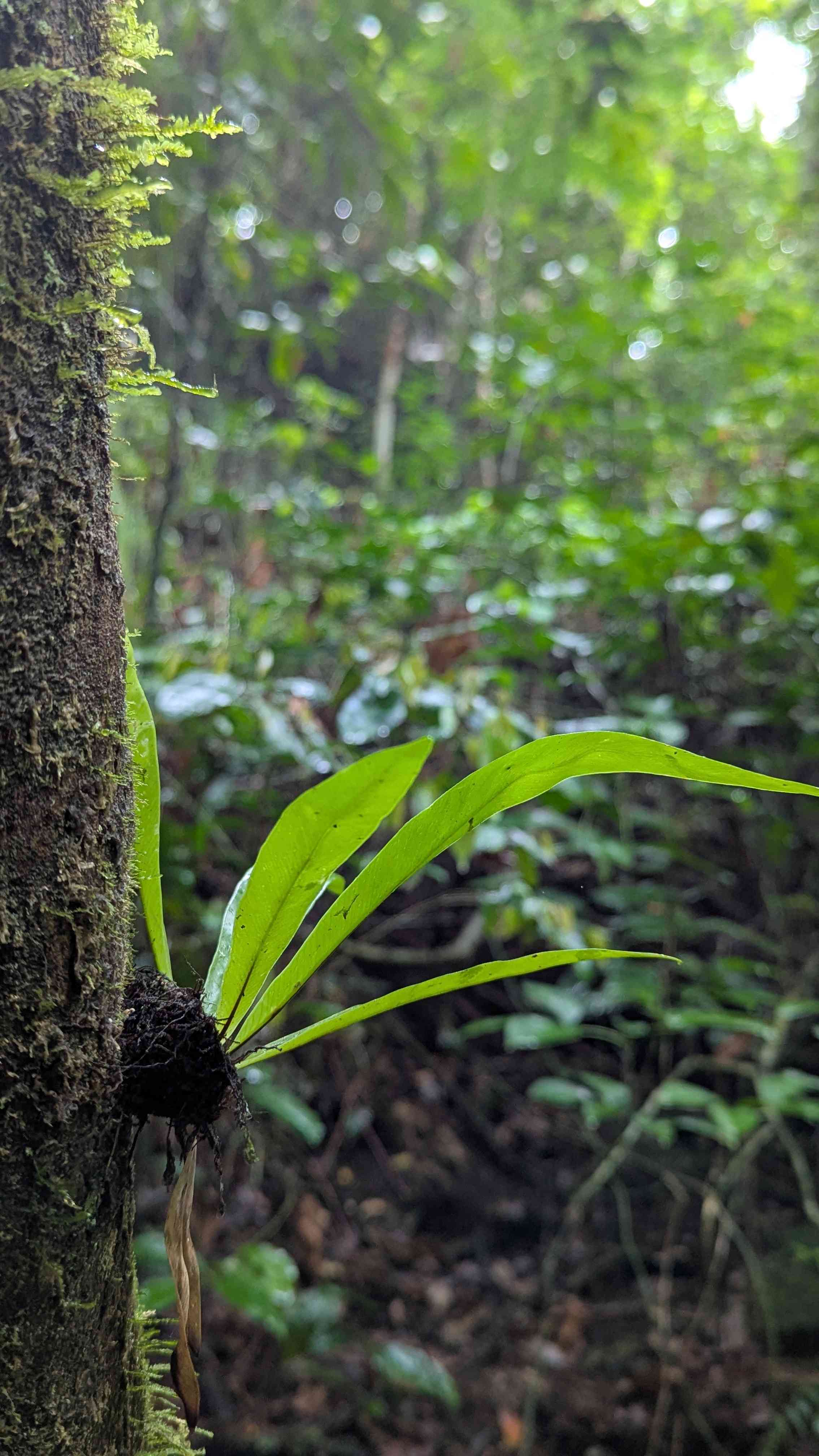
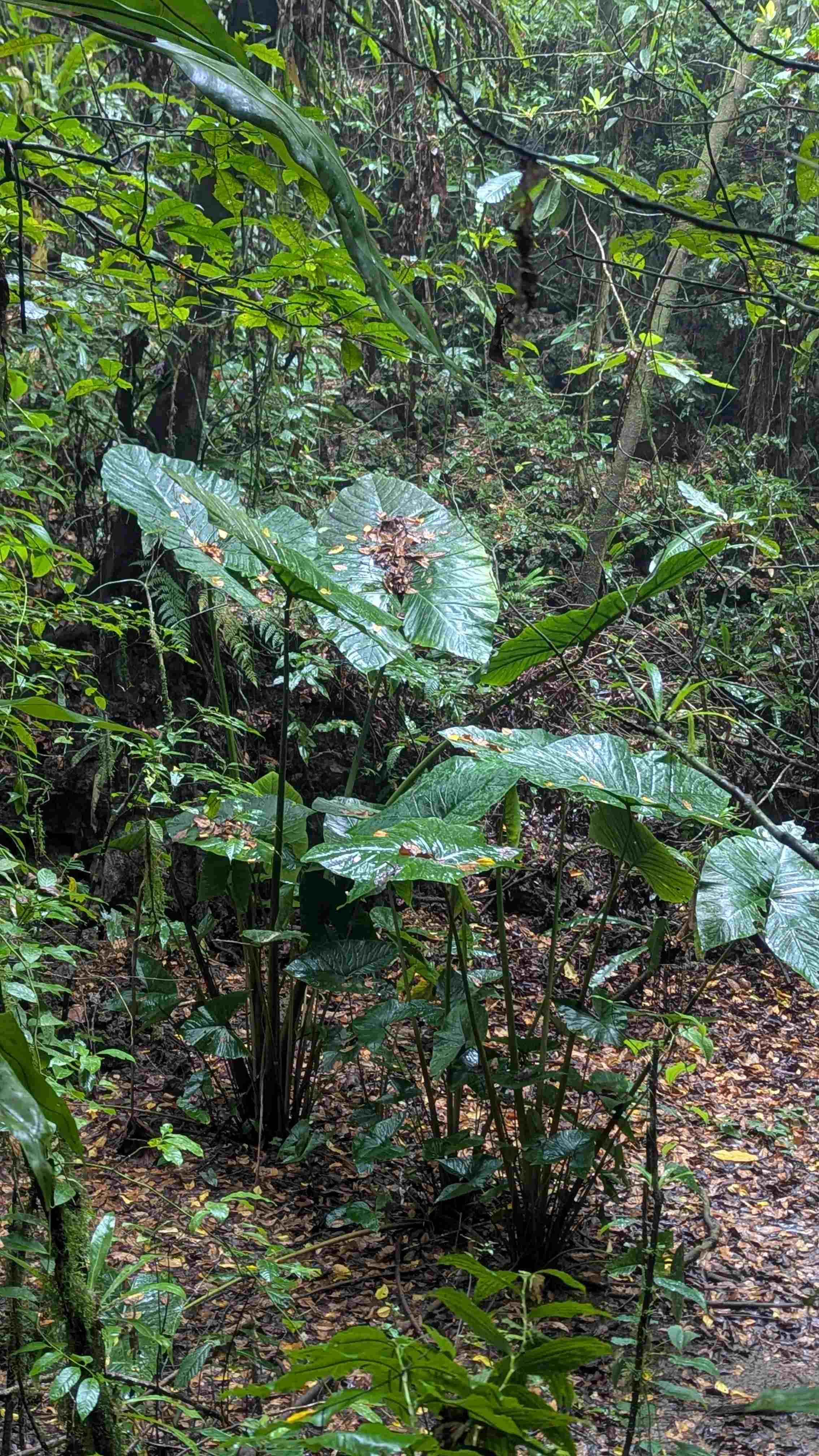
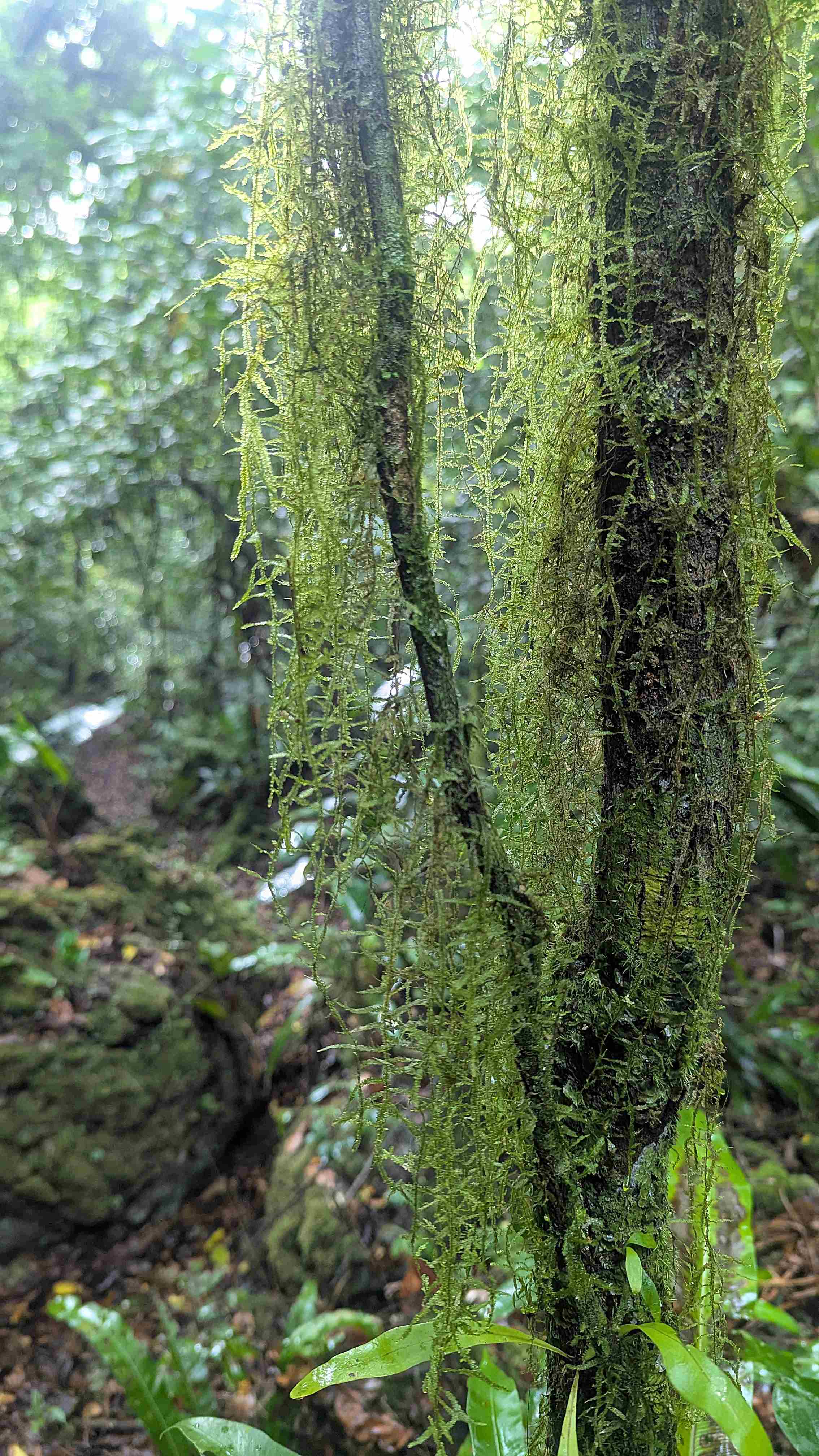
On the Ngermalk Trail - my first solo hike ever: humid, wild and intense.
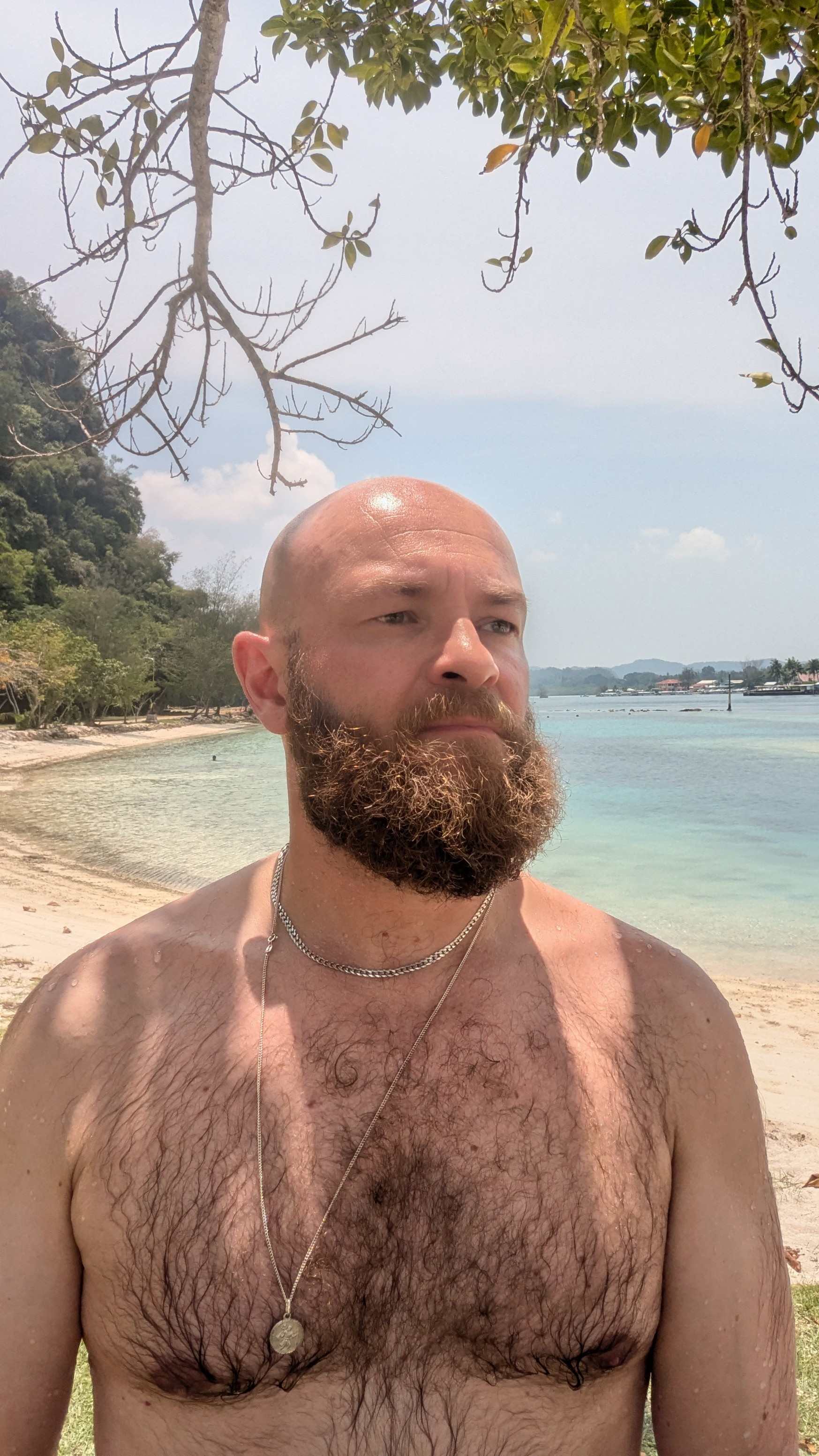
Cooling off after my stinkingly humid Ngermalk hike and a chance for a bit of light snorkelling at Ngermalk Beach.
My first experience of Palau's famed Rock Islands came courtesy of a morning kayak. We set off from Malakal Harbour by speed boat, arriving at Risong Bay about half an hour later. We'd spend around two hours kayaking around the rocky islands, in and out of swampy mangroves, along cliff edges and past the national flower of Palau clinging to rocky outcrops: the Rur - or white rock lily. As I paddled by hundreds of small fish called Dir leaped out of the water as if trying to mimic the graceful arcs of dolphins. It was a delightful spectacle. Multiple times I was to catch multiple glimpses of clams but whose semblance was quickly distorted and then rendered all but invisible by the gentle rippling of the water's surface. The Rock Islands' marine lakes were something quite special; clear emerald-turquoise waters below which dark patches of coral shimmered. When the sun reappeared from behind the clouds the whole marine scene would illuminate even more vividly. The odd colourful fish would skitter by, flashing its yellow or its blue and, all the while, the rock islands themselves seemed to hover above the water's surface, with years of erosion having cut into the base of the islands creating one of mother nature's quirky optical illusions: floating islands.
Palau has embraced its jellyfish like no other nation on earth. It is difficult to visit this country without noticing that the blobby, undulating creature is something of a recurring symbol across these islands: giant three-dimensional jellyfish adorn buildings, light shades in cafés evoke their unmistakable shape with crystals as their stingers - and even your passport is stamped with a jellyfish design when you depart this Palauan paradise. Indeed, Palau's Rock Islands are home to a unique species of jellyfish. They live in a marine lake which is surrounded on all sides by mountains. In this protected space they have no natural predators and therefore don't need to protect themselves. In short, the golden jellyfish have evolved over 12,000 years to be completely stingless. They are found nowhere else on Earth. I set off on the Rock Island Tour, a full day out in the Rock Islands and Southern Lagoon of Palau. Stops along the tour route oscillated between the sublime to the tacky to the almost pointless - but I didn't mind. It was all a means to an end. Ultimately, I was here to do one thing: snorkel with Palau's unique jellyfish! My hopes of having this experience were kept in check by the reality of it all: hoping the weather didn't cause the tour to be cancelled, hoping the tour I was booked on didn't fall through because others had pulled out, hoping that jellyfish would be in the lake (their population can fluctuate). Over many days I tried to not get my hopes up. I didn't dare dream it would happen until it did. It was only when I was weaving my way in and out of blooms of Golden Jellyfish, occasionally feeling them bumping into my bare arms, did I believe it was happening. Quite rightly, I was the last one out of the lake; time flies when you're immersed in a watery underworld with 'floating chandeliers' rendered almost luminous by the rays of the midday Micronesian sun...
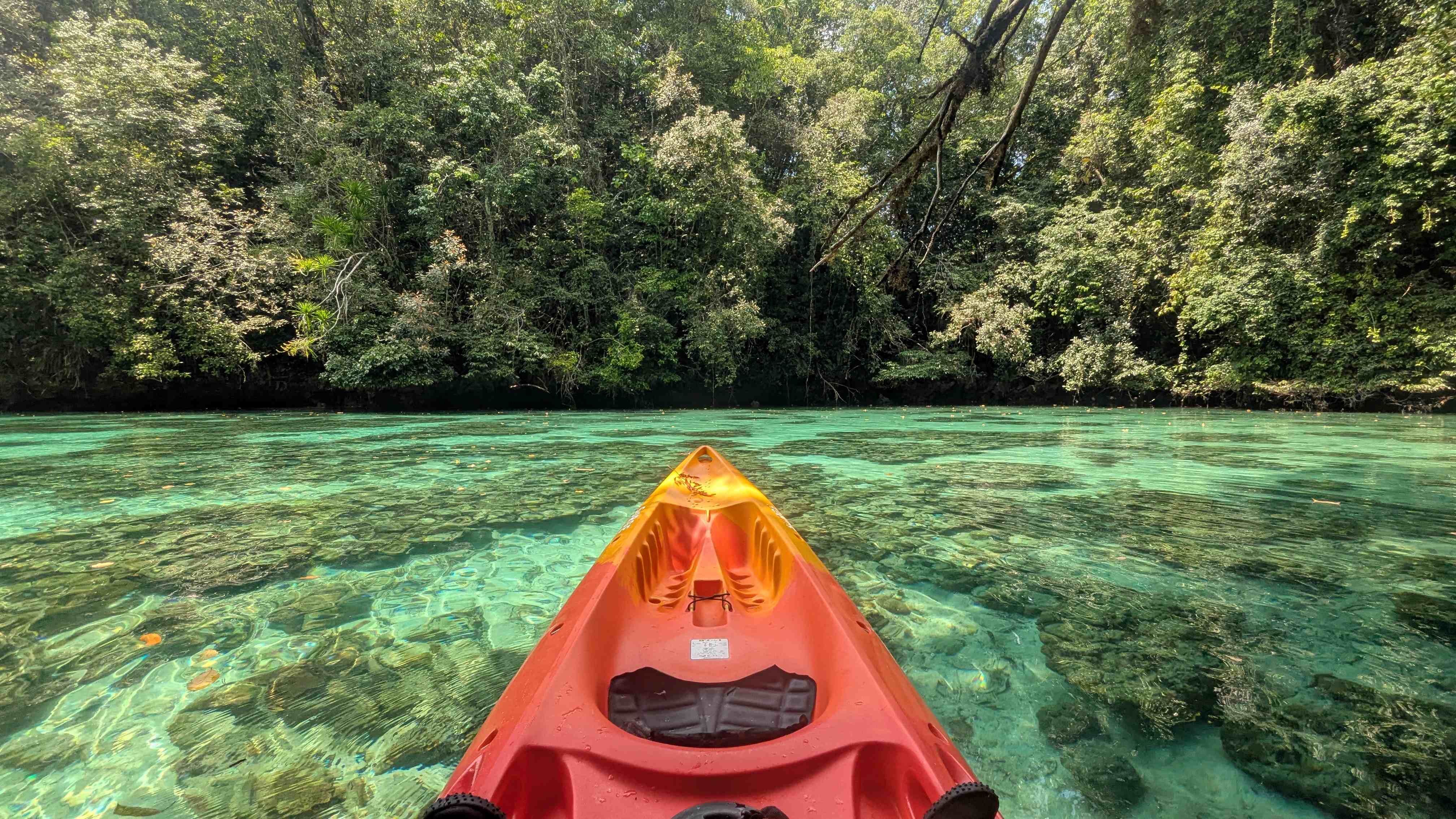
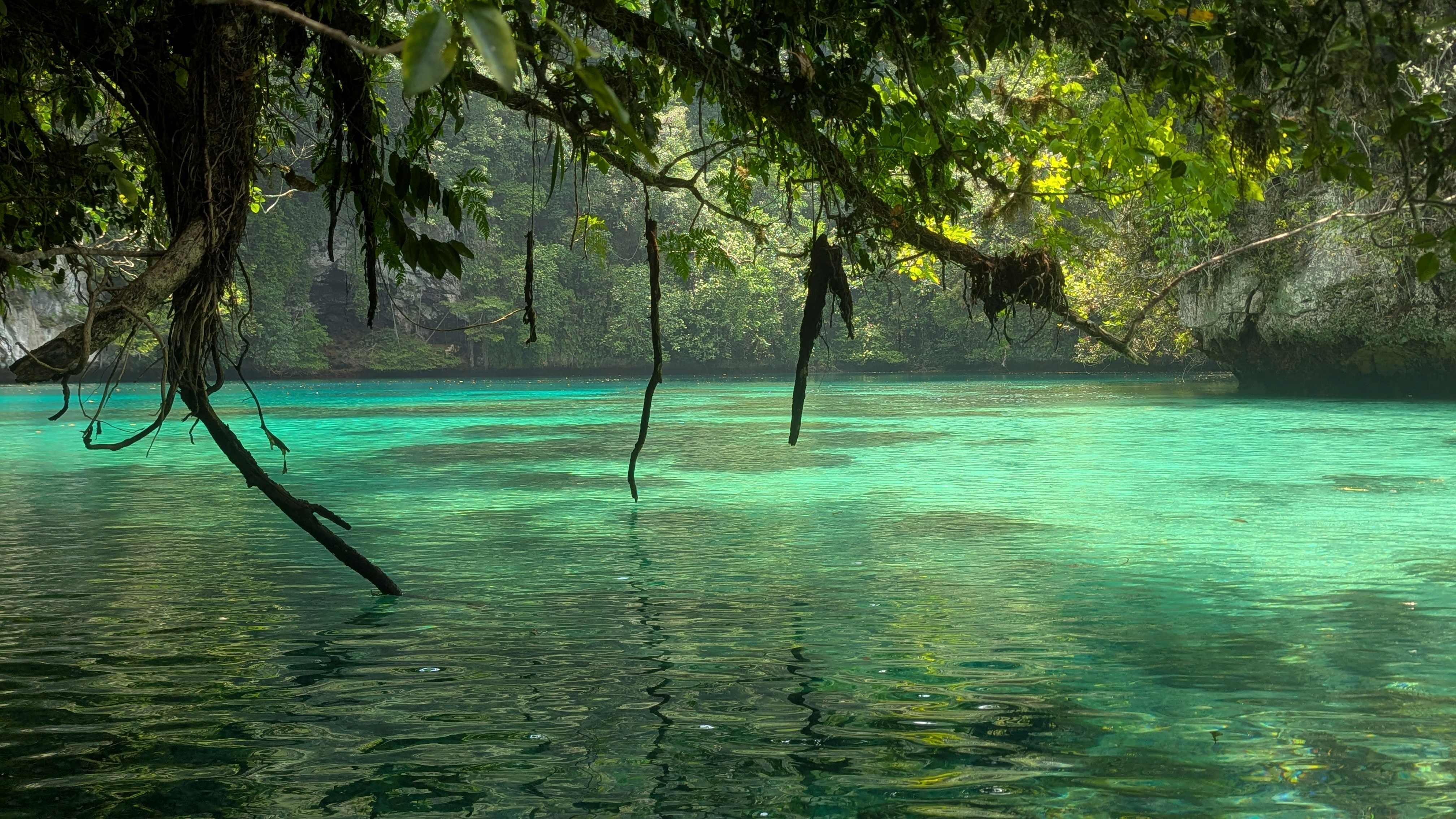
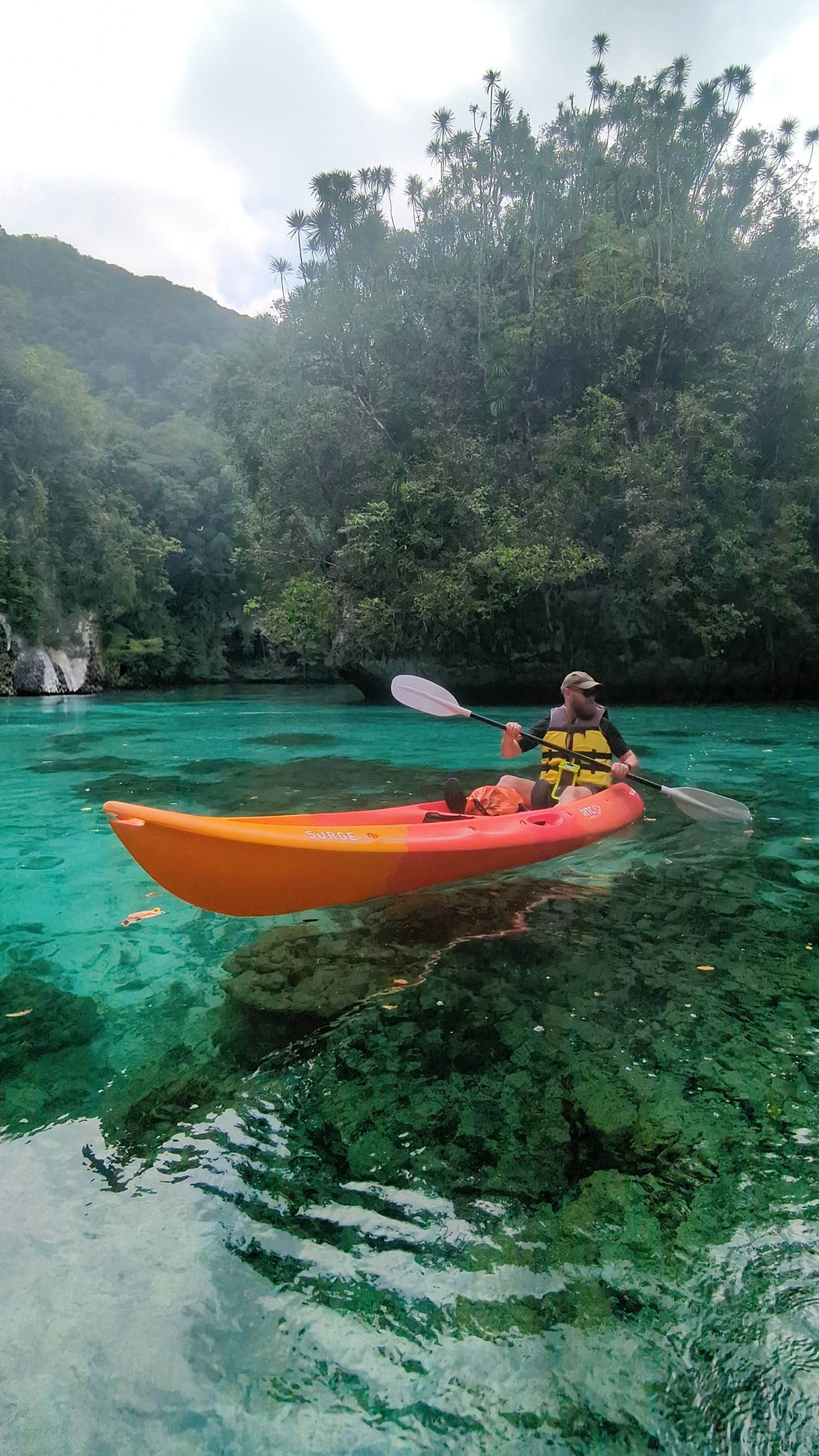
Kayaking around the Rock Islands. The marine lakes were something quite special: clear emerald-turquoise waters below which dark patches of coral and the occasional clam sighting shimmered.
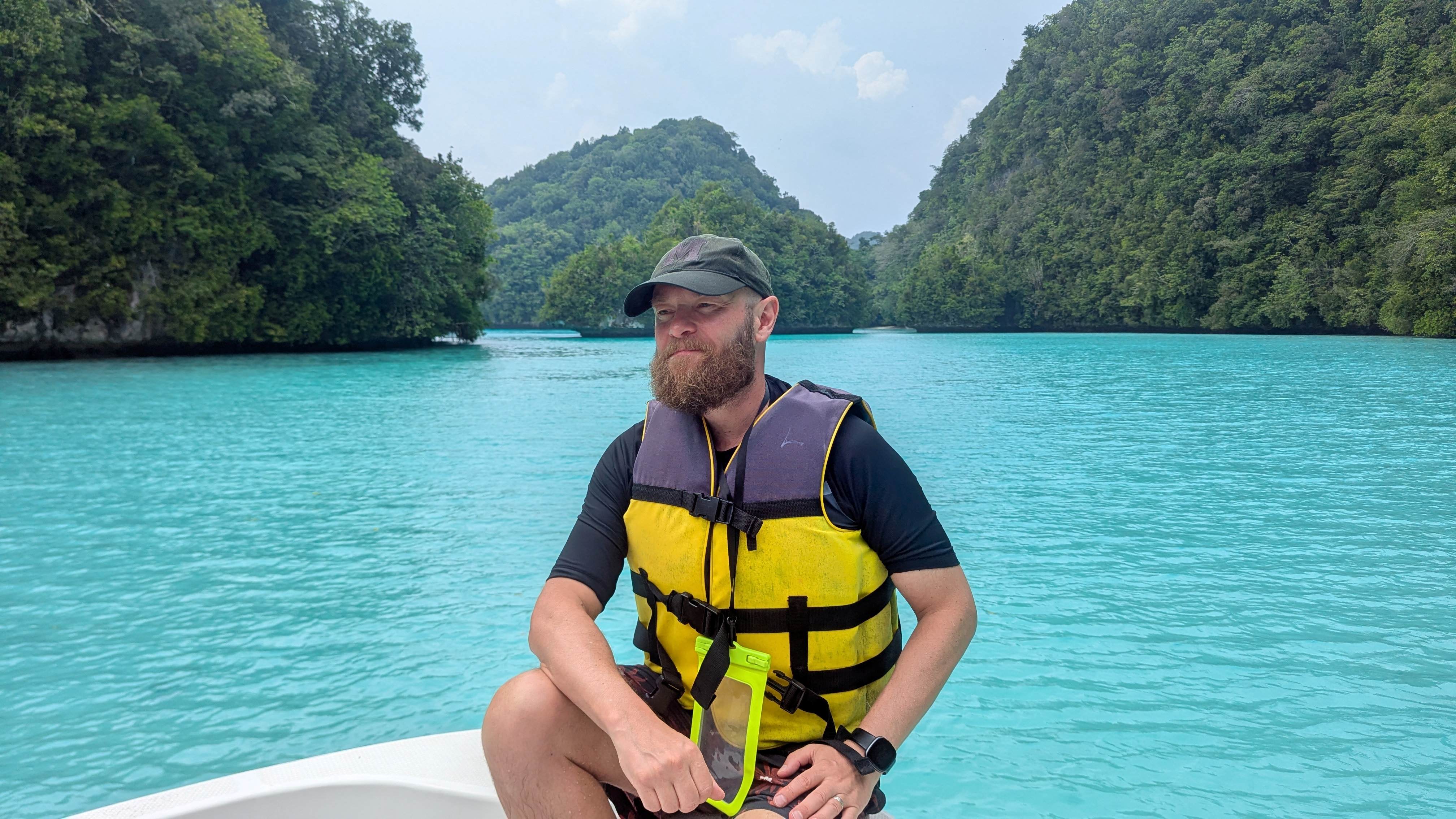
Touring the Rock Islands: aqua marine waters, islands levitating from the water's surface and incredible marine life.
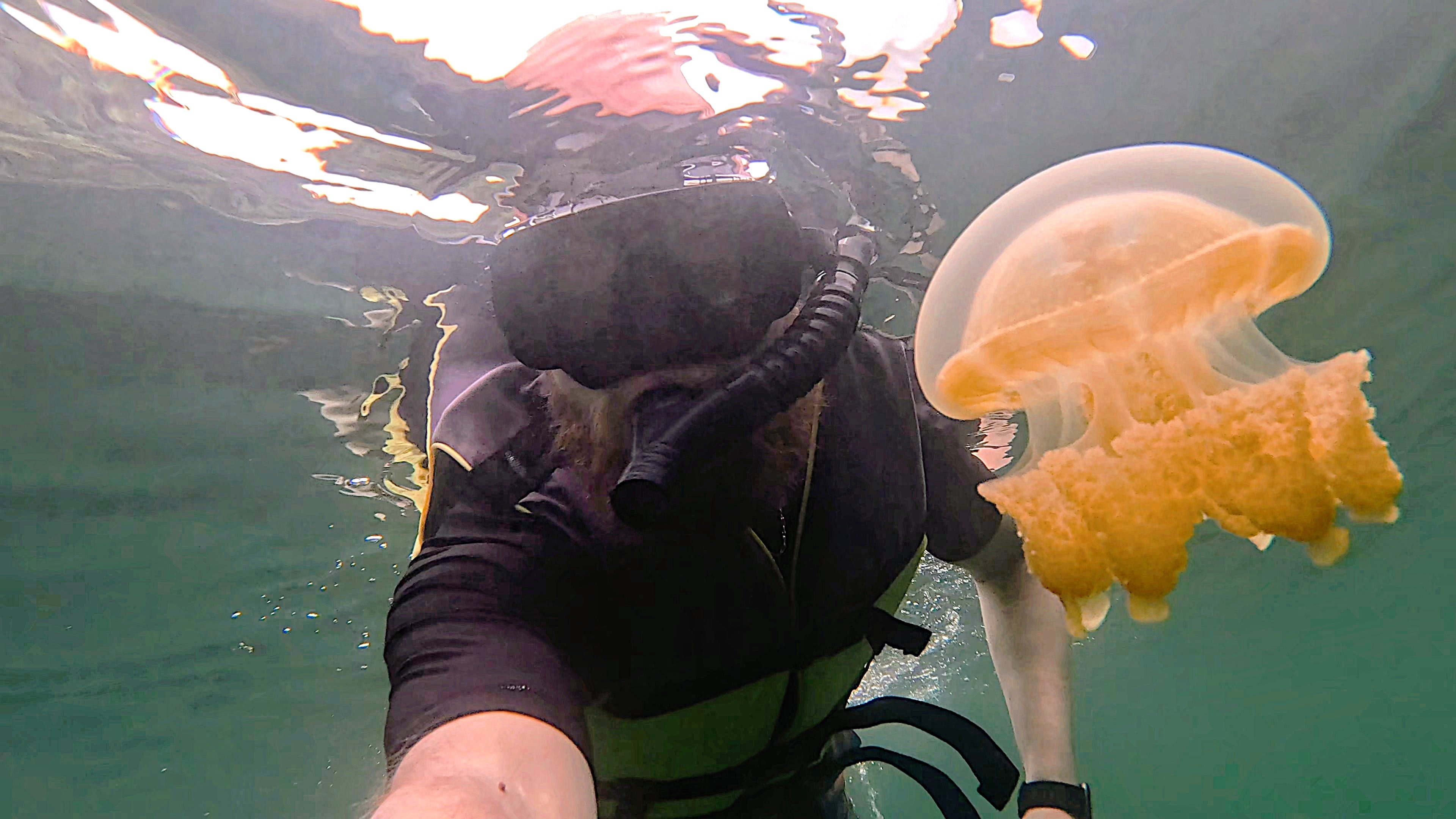
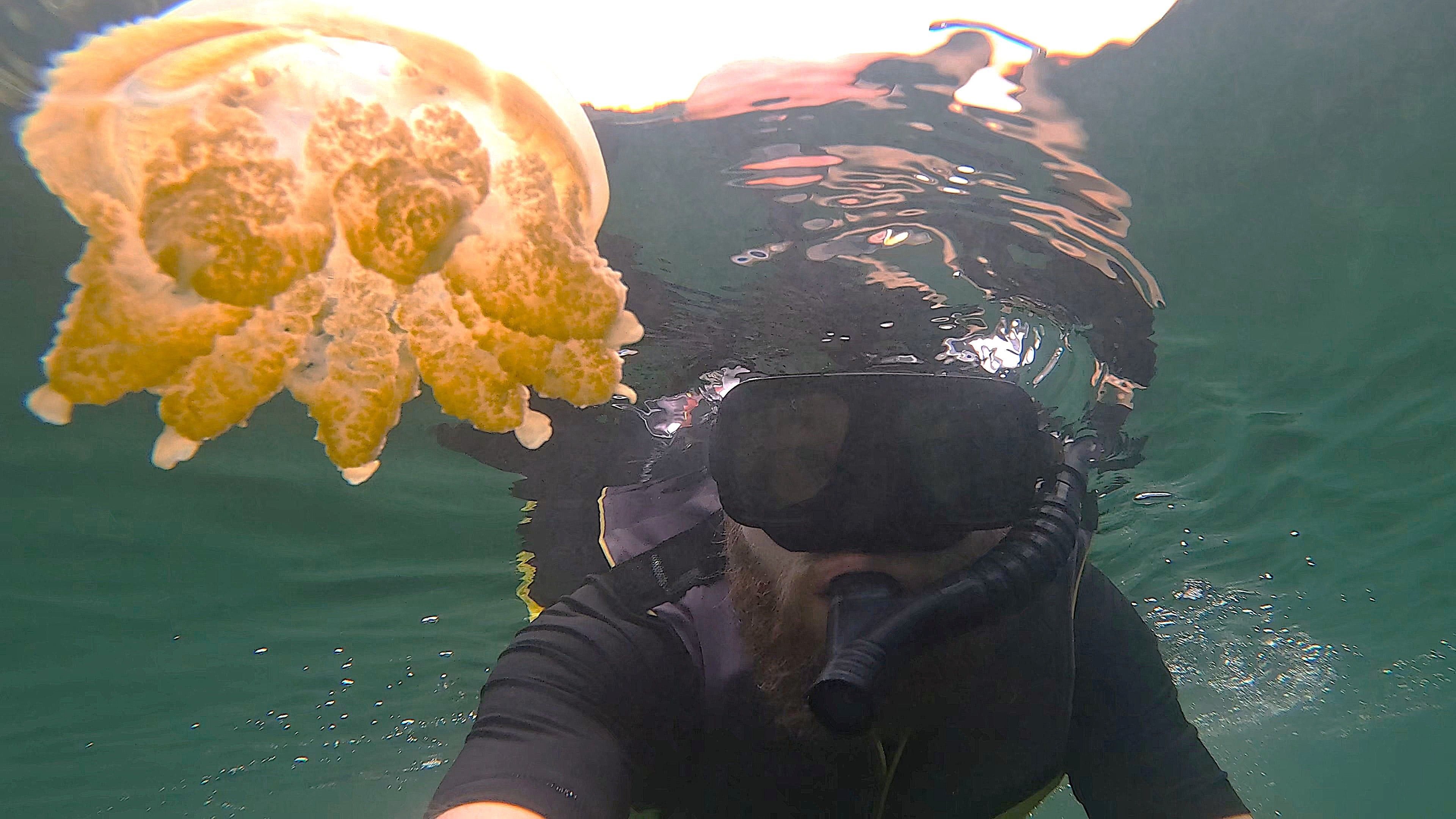
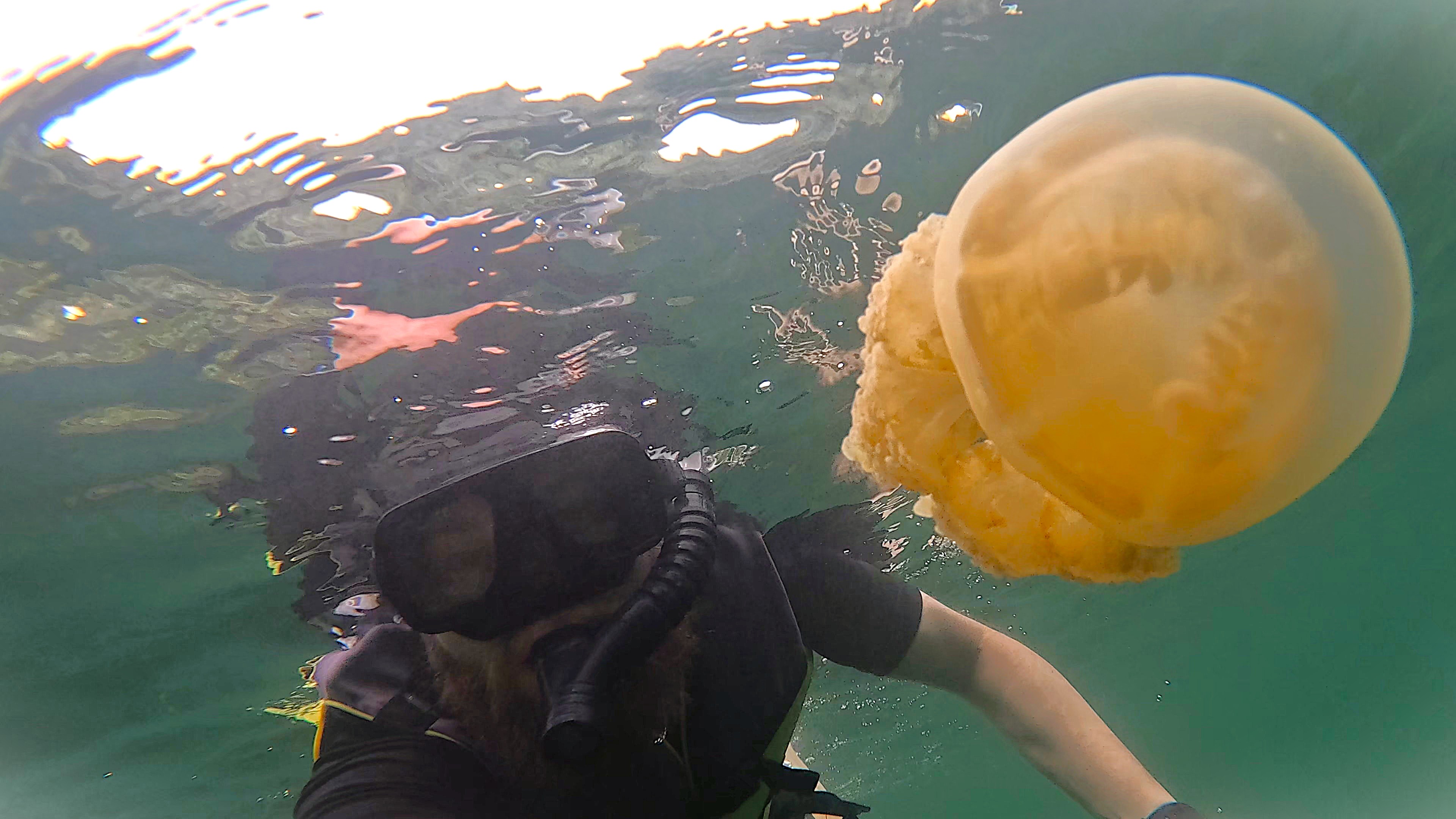
Getting up close and personal with Palau's majestic Golden Jellyfish. It's quite unnerving to feel them bump up against your skin - one's natural inclination is to panic.
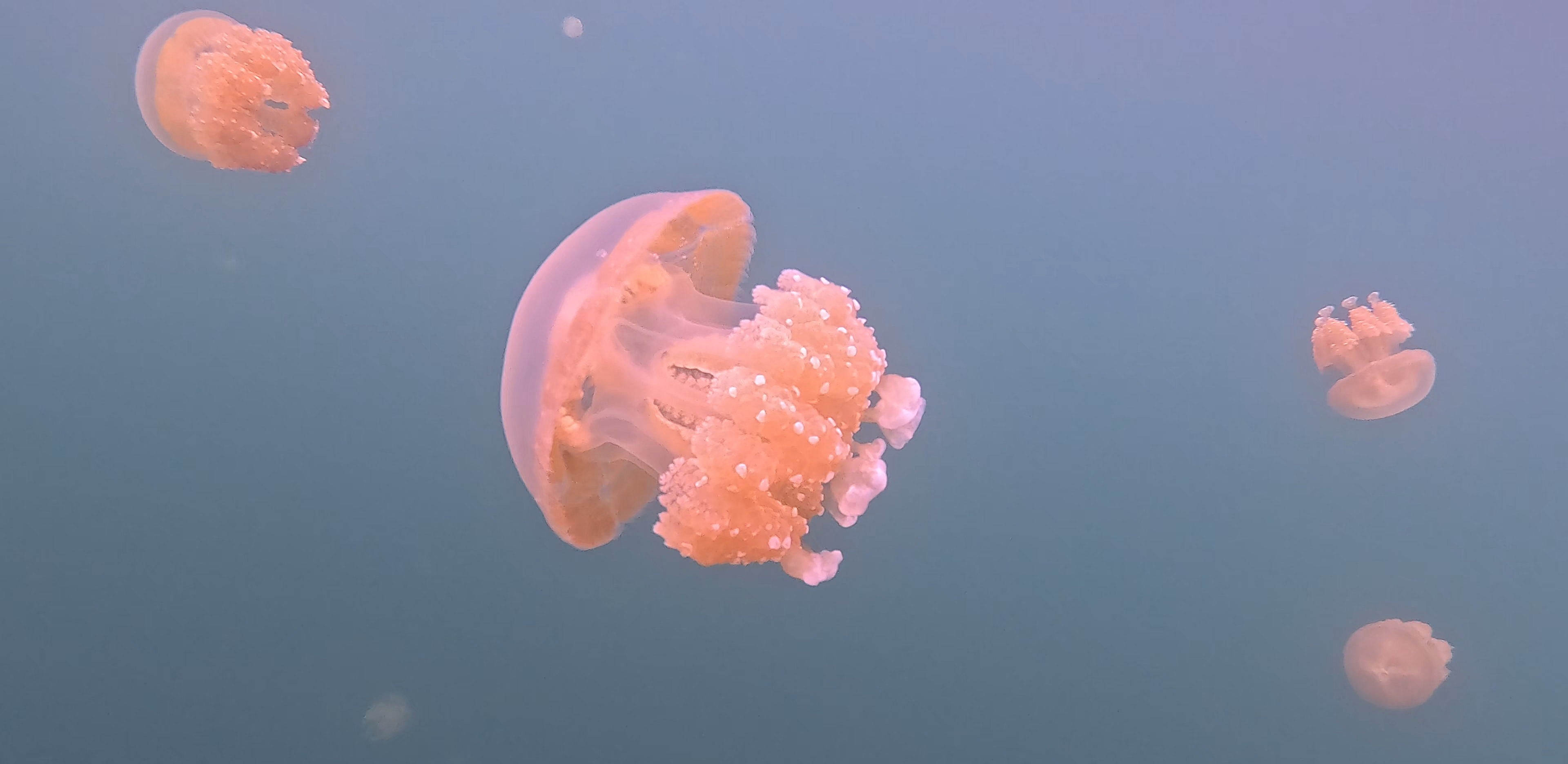
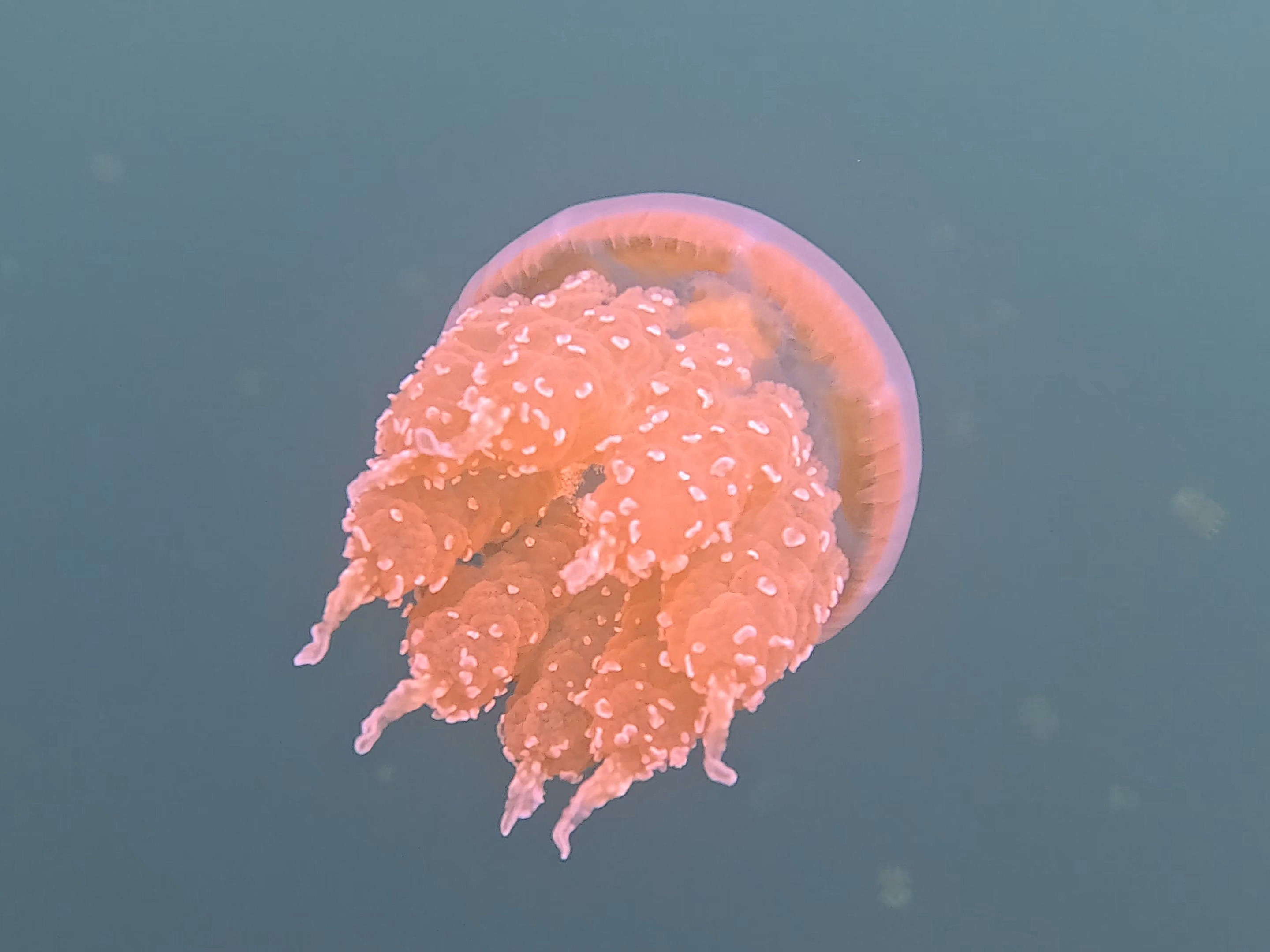
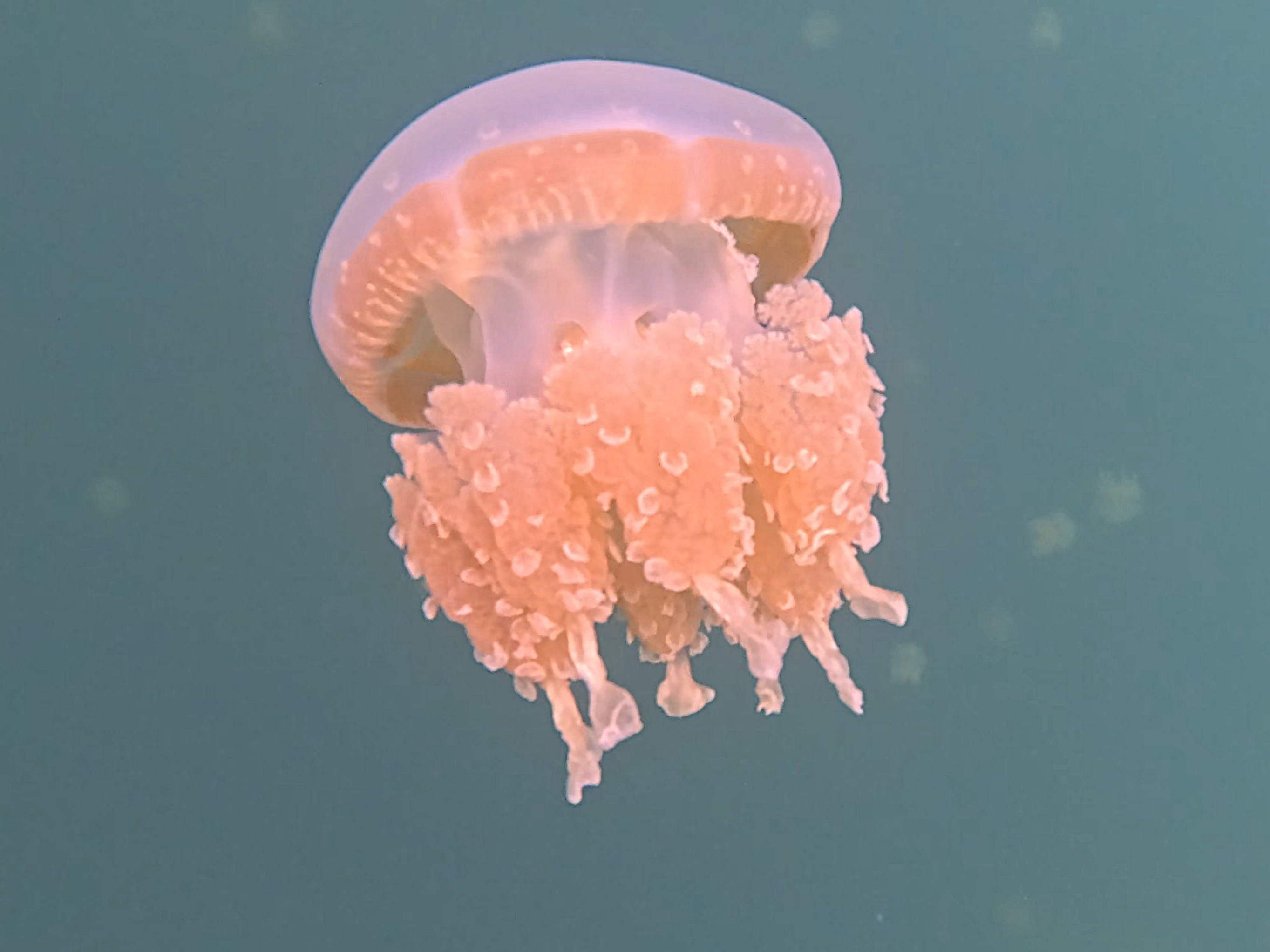
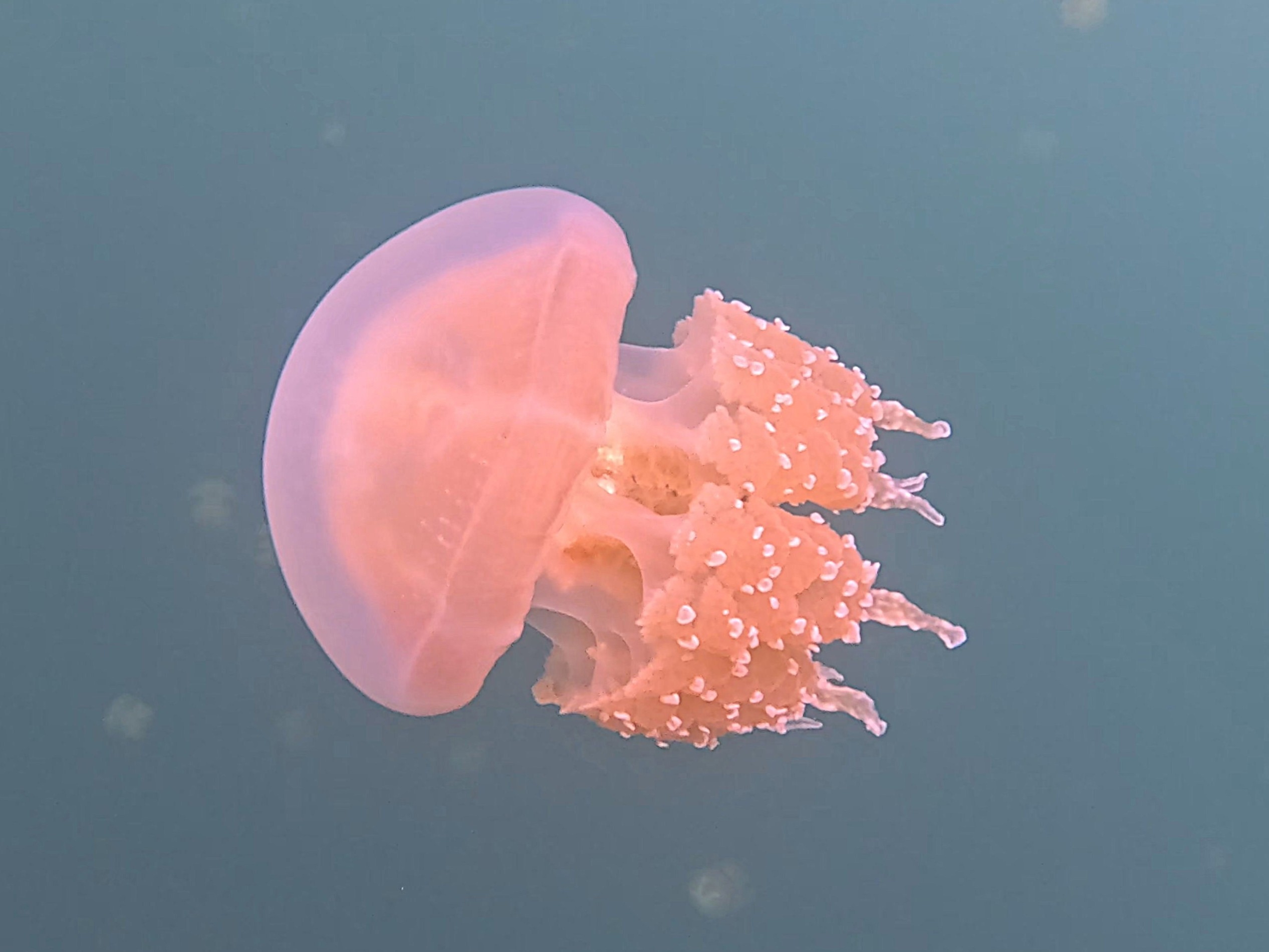
Underwater chandeliers: Palau's incredible Golden Jellyfish in Ongeim'l Tketau have, over 12,000 years, evolved without stingers and can be found nowhere else on earth.
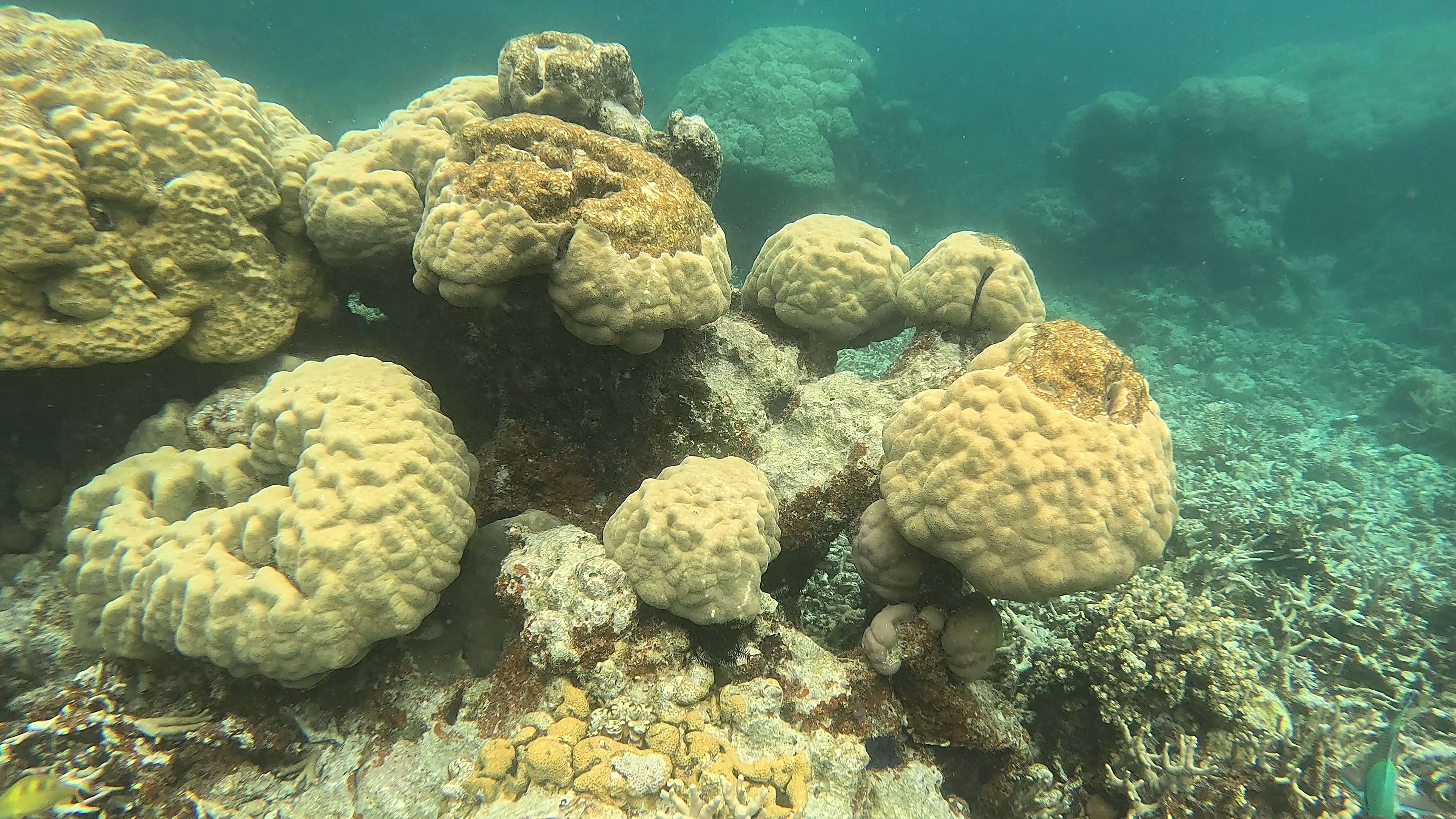
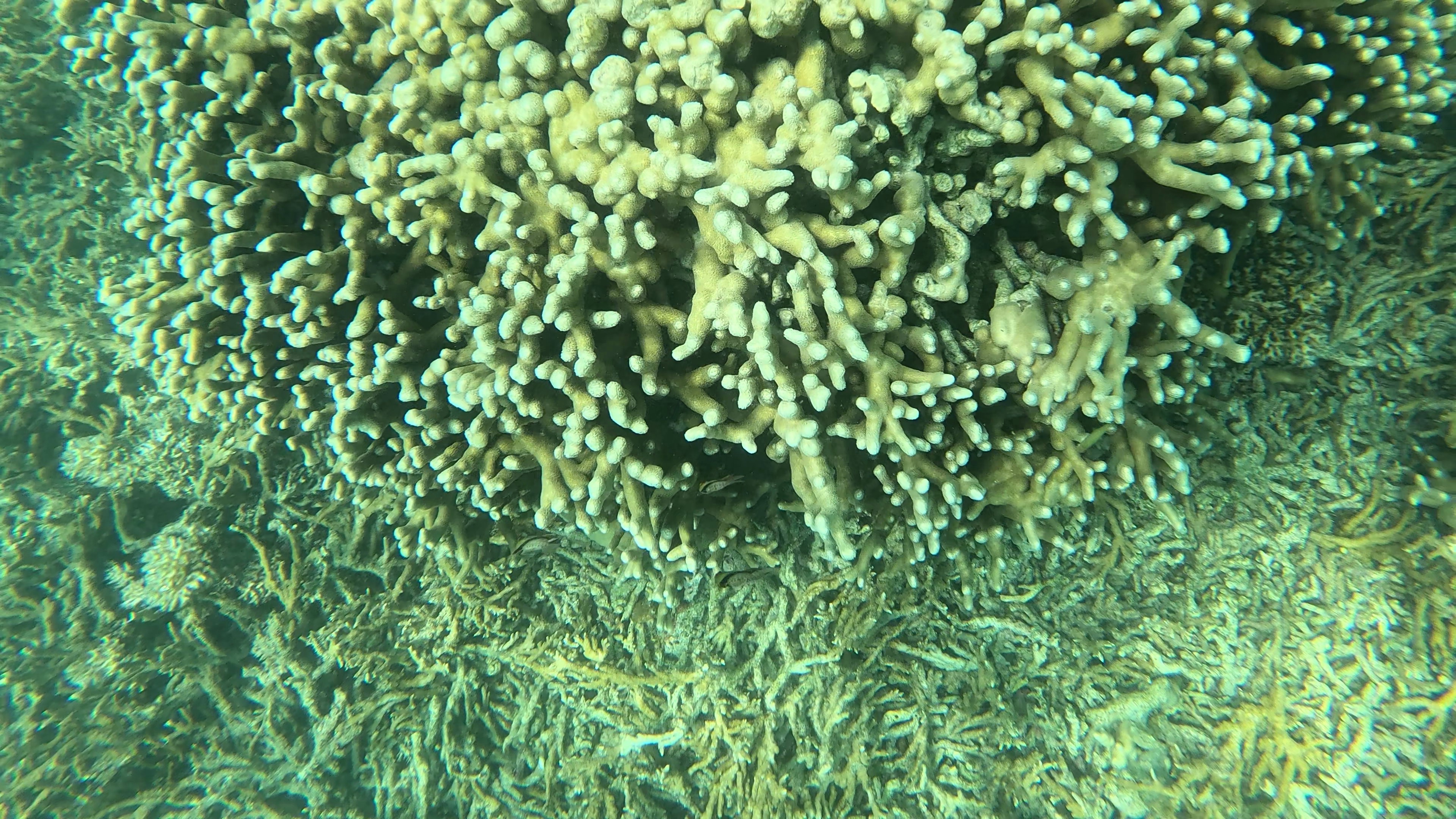
The Rock Islands' bizarre underwater forest - a region of Palau teeming with underwater life and otherworldly shapes and textures.
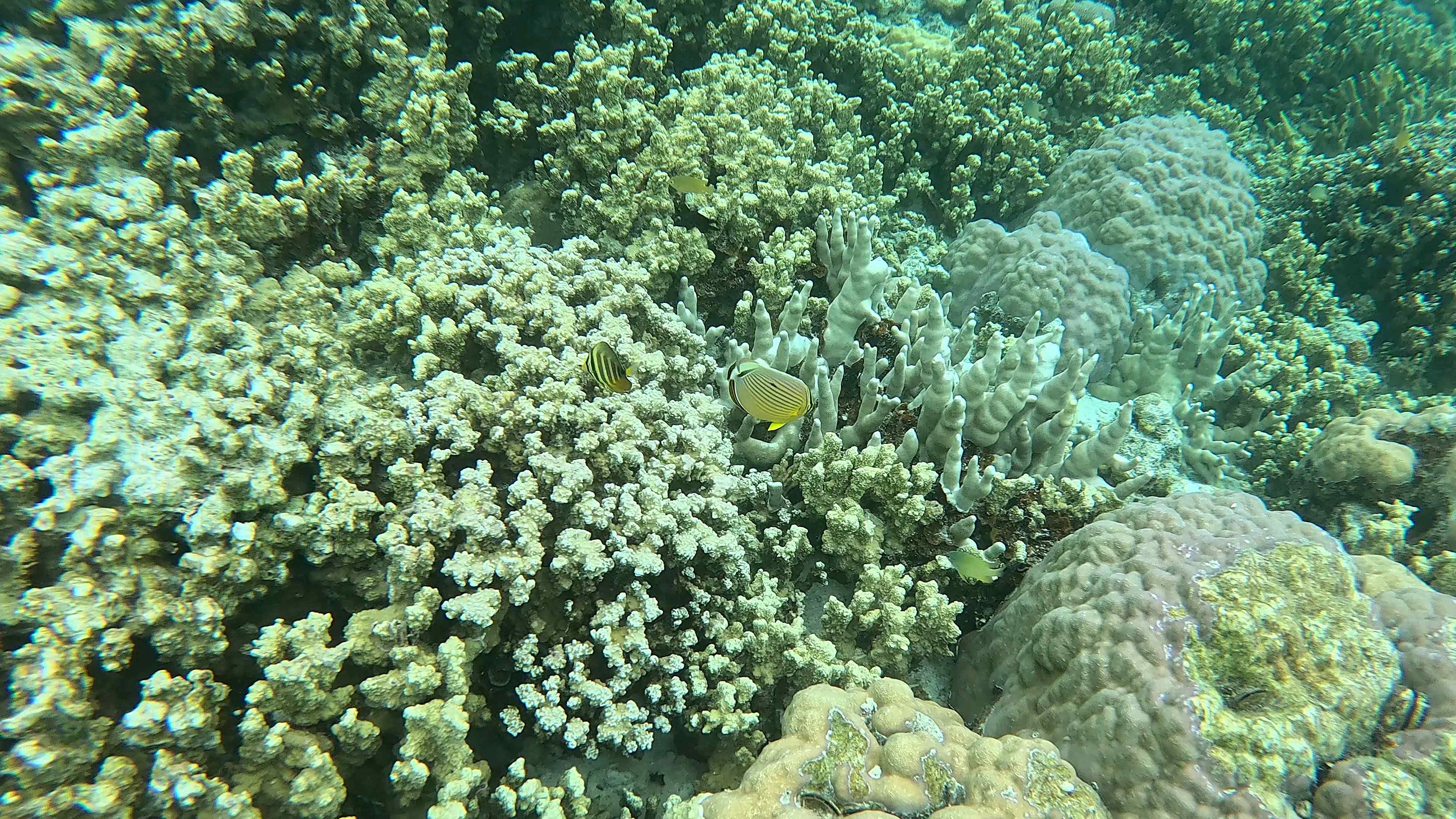
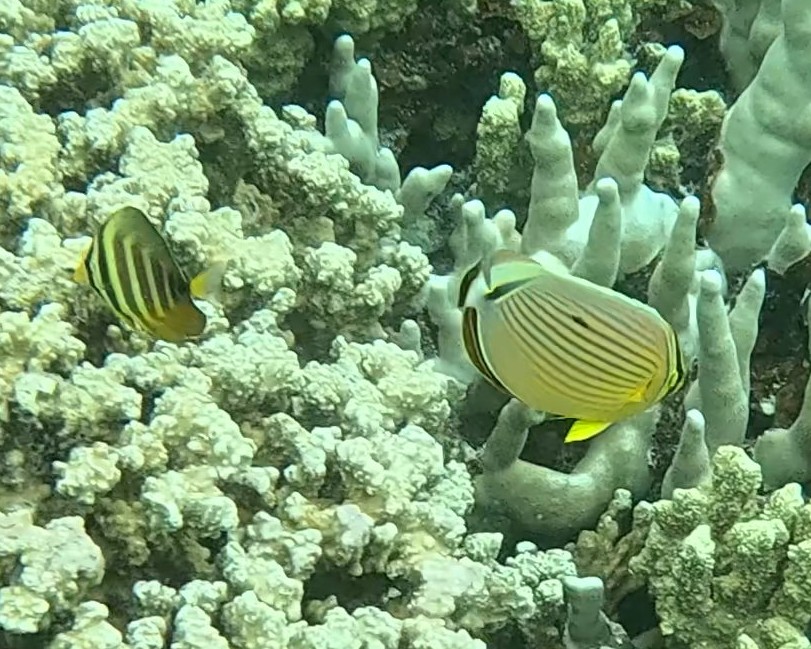
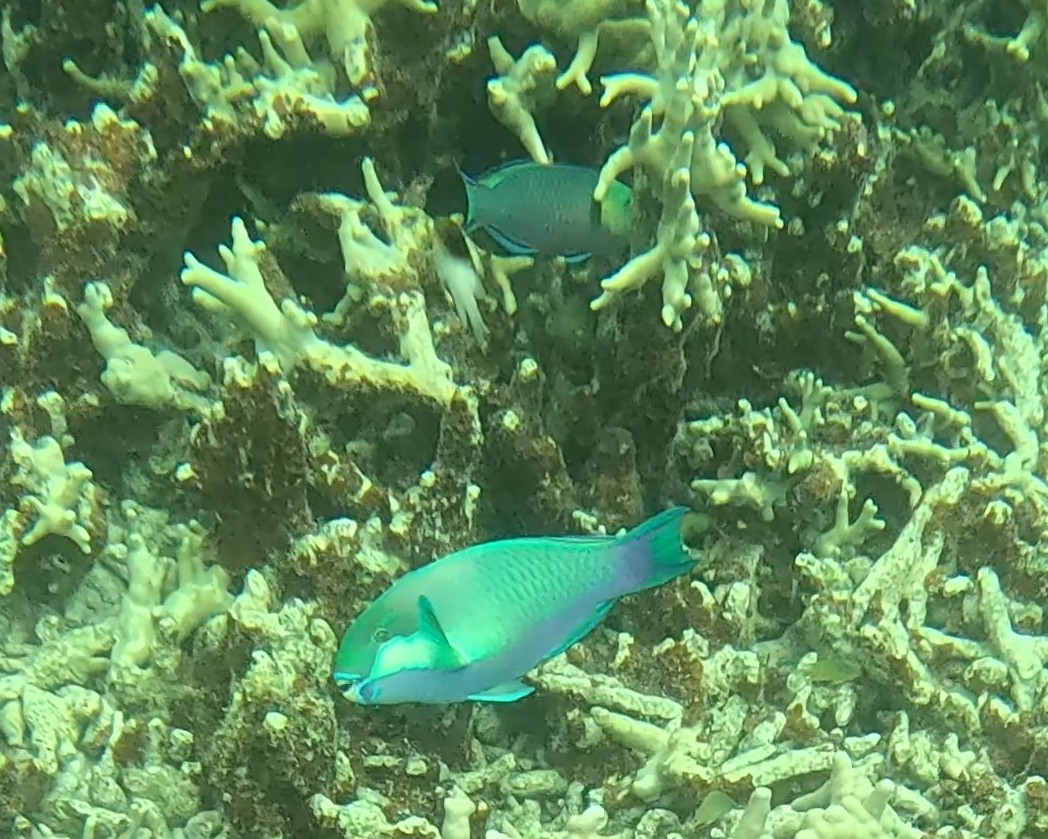
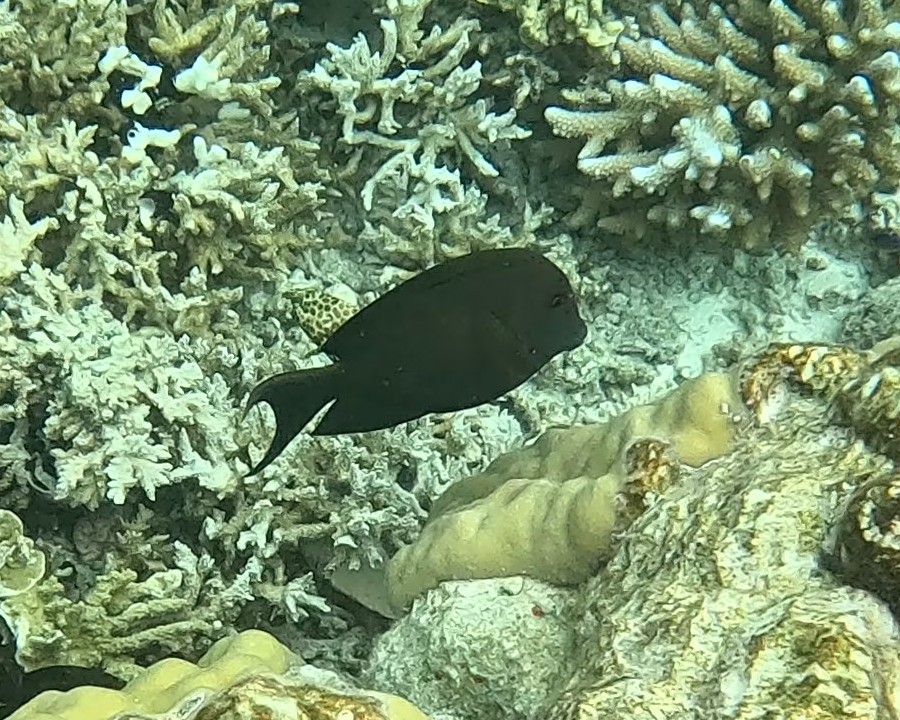
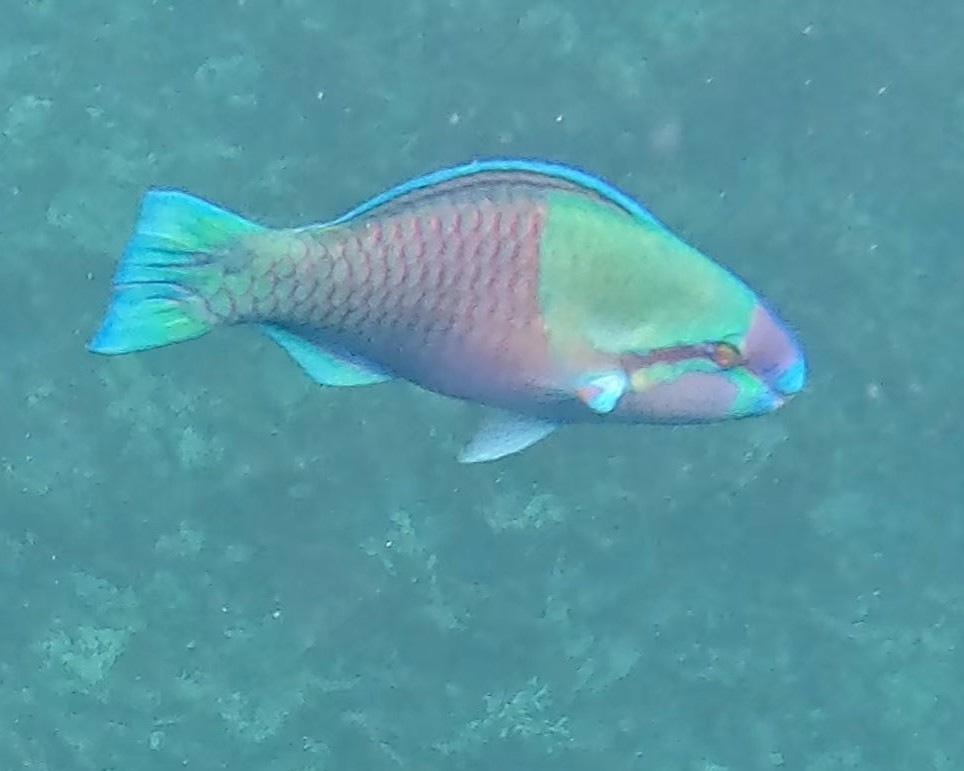
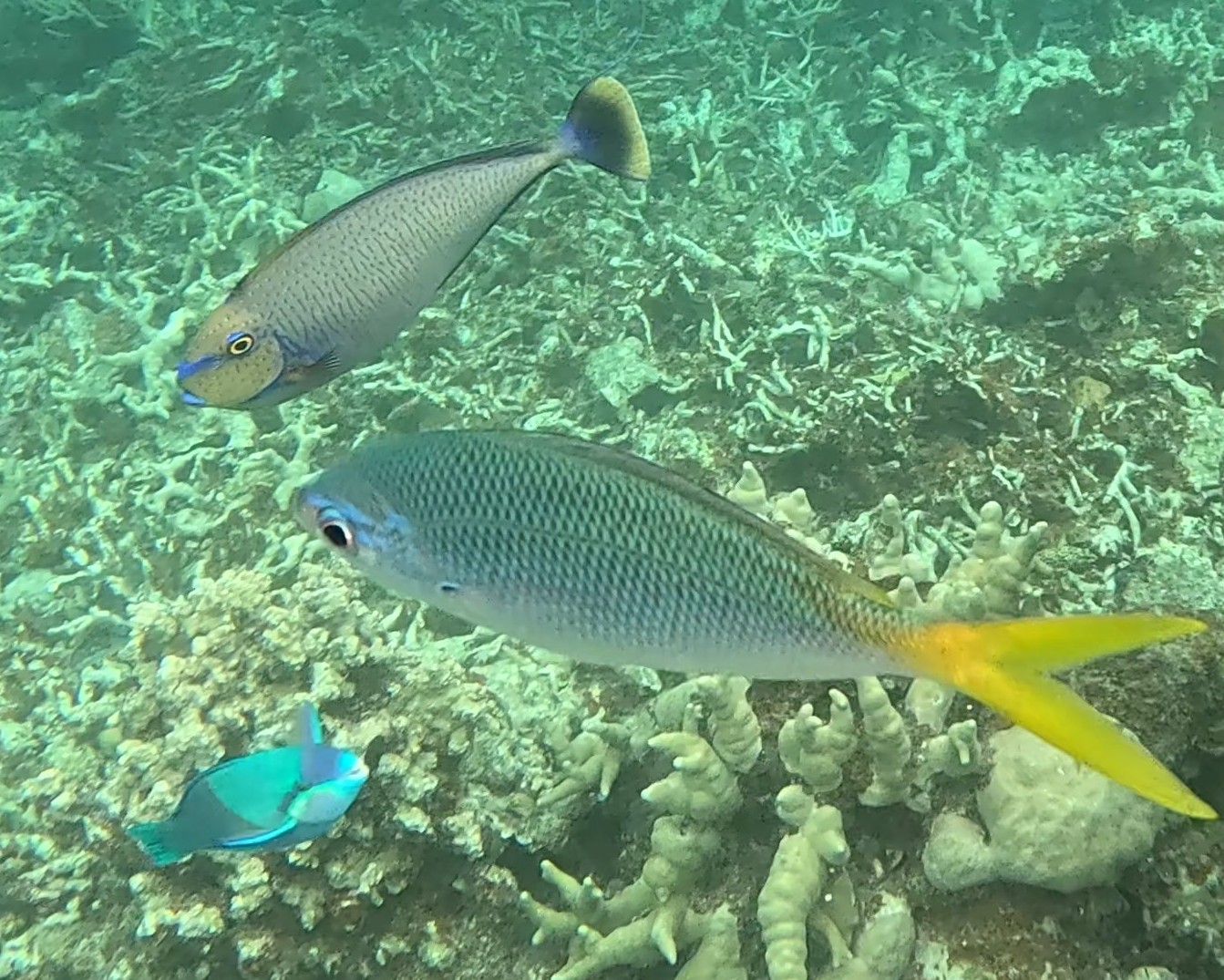
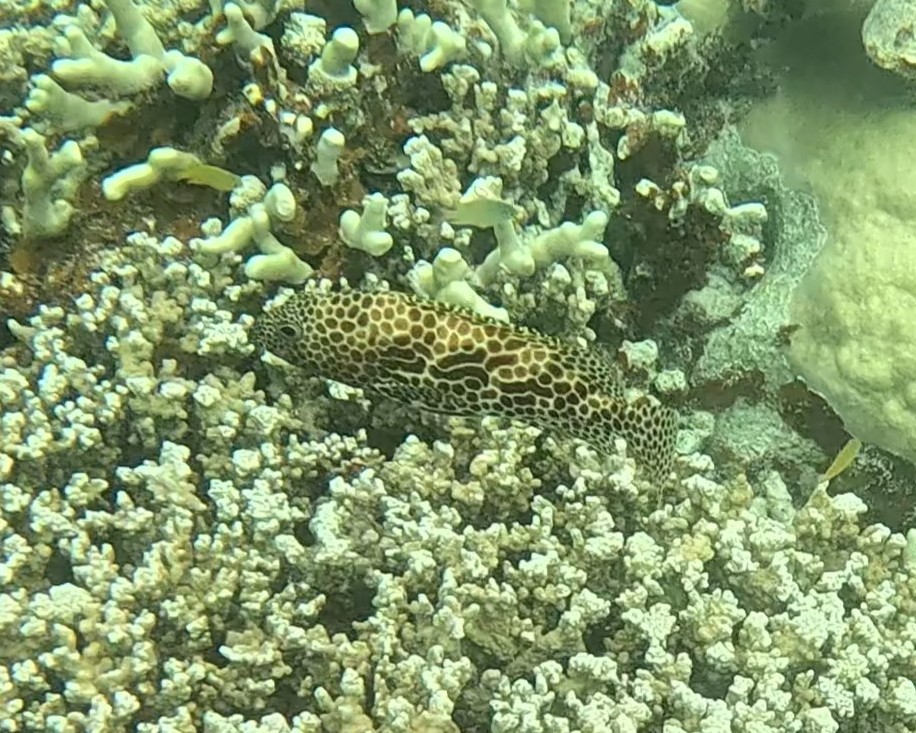
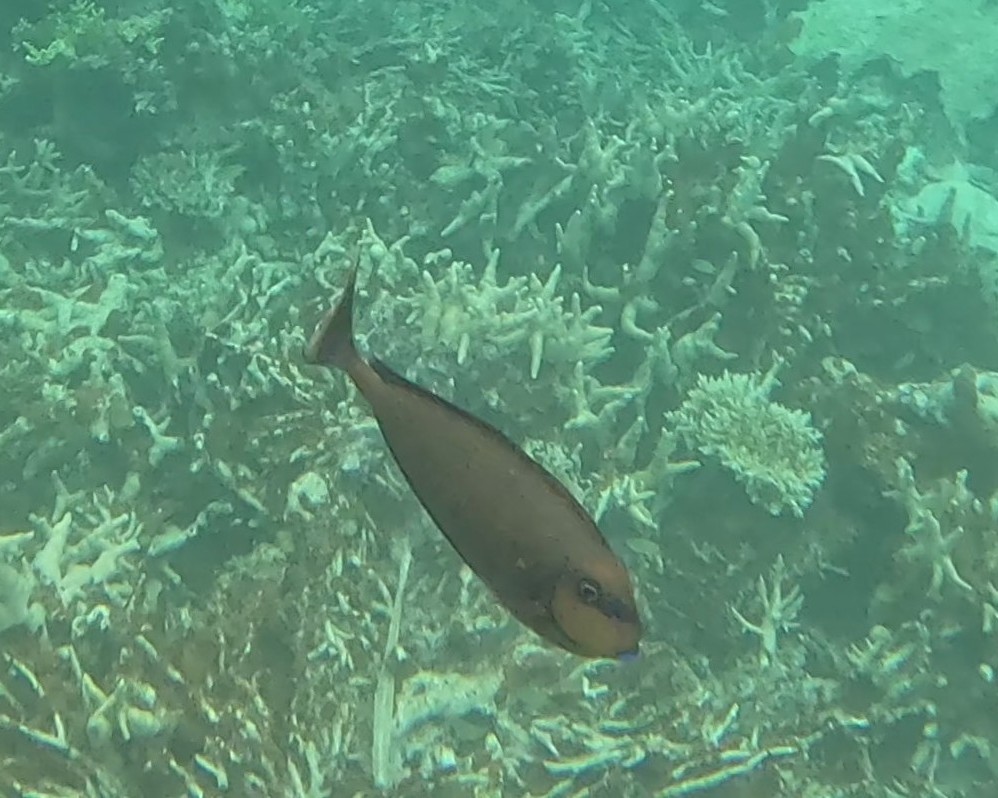
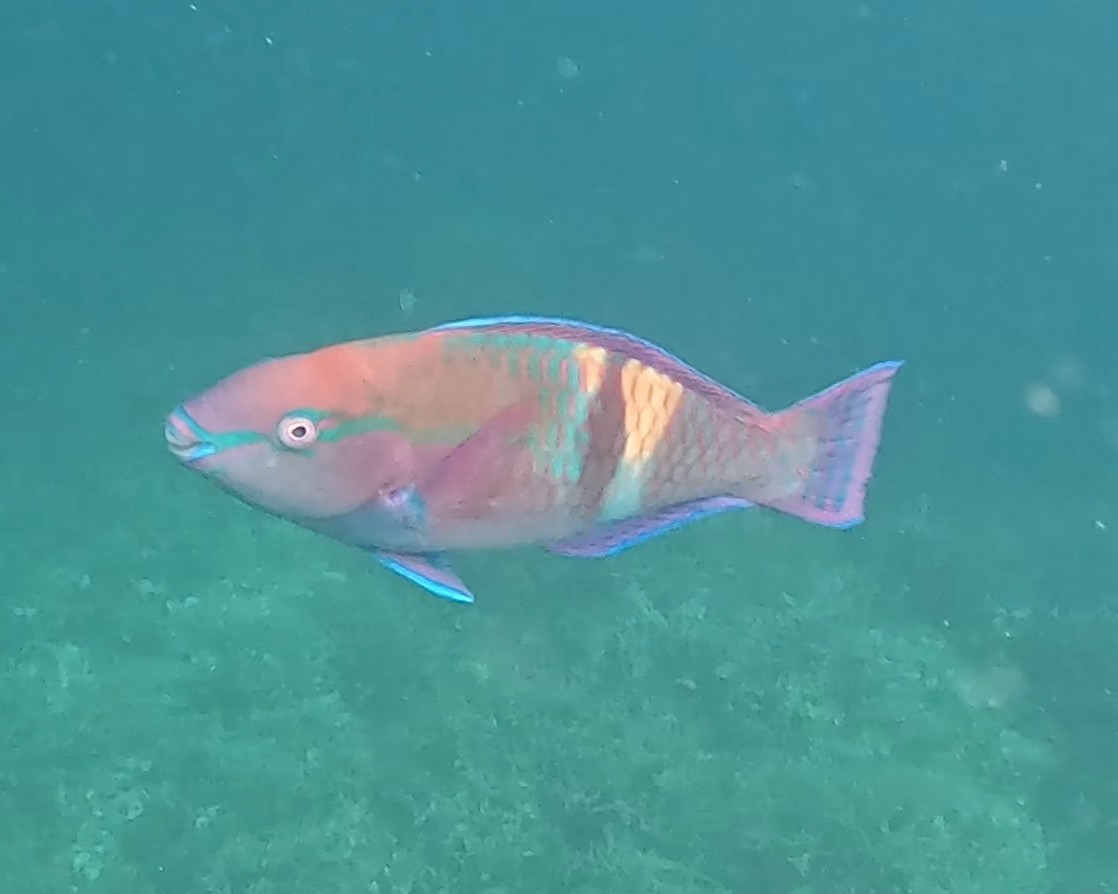
Palau's incredible underwater world: diverse, colourful and completely magical. Clockwise: Raccoon Butterflyfish, Threadfin Butterflyfish, Pacific Parrotfish, Dusky Parrotfish, Orange‑band Surgeonfish, Bullethead Parrotfish, Yellowtail Surgeonfish, Yellow‑eyed Surgeonfish, Parrotfish, Honeycomb Grouper, Brown Surgeonfish, Pacific Parrotfish.
Ngardmau lies in the north west of Palau on Babeldaob Island, my journey having been spurred on by a desire to experience showering under the cascades of Palau's - and Micronesia's - largest waterfall. The fact that the waterfall was only accessible by a stretch of hiking, with a steep descent and ascent through tropical jungle, was, in my view, an undeniable and exciting bonus. The hike to Ngardumau was two kilometres in each direction, leading us under dense palm canopies, past exquisite little wildflowers dotted on either side and along root-tangled terracotta-coloured boggy trail sections infrequently and incongruously interrupted by the abandoned rusty tracks of an old Japanese phosphate railway. I only hiked a total of 4 kilometres - much shorter than I would have liked. Nevertheless, just as I can legitimately claim to have shaken the hand of, and spoken with, the President of Palau, I can also legitimately claim to have hiked through tropical jungle in Micronesia. Unfortunately for me, I didn't make it out of the jungle without injury, having slipped on the descent towards Ngardmau and spraining my right foot. Luckily the pain didn't emerge until much later, meaning that I could continue my waterfall adventure unhindered.
After walking in unbearable humidity for a time, we set about changing into our bathing gear, gingerly making our way down to Ngardmau and doing our upmost not to slip on the algae-covered boulders and rocks. Ngardumau is an elegant-looking waterfall with water tumbling into a shallow pool below. However, when directly underneath the jets of water, this waterfall's deceptive elegance felt ferocious and violent,the water hitting my head so hard it bordered on painful. There is sometimes a fine line between the pleasurable and the painful - and standing underneath Ngardmau's falling streams straddled this threshold.
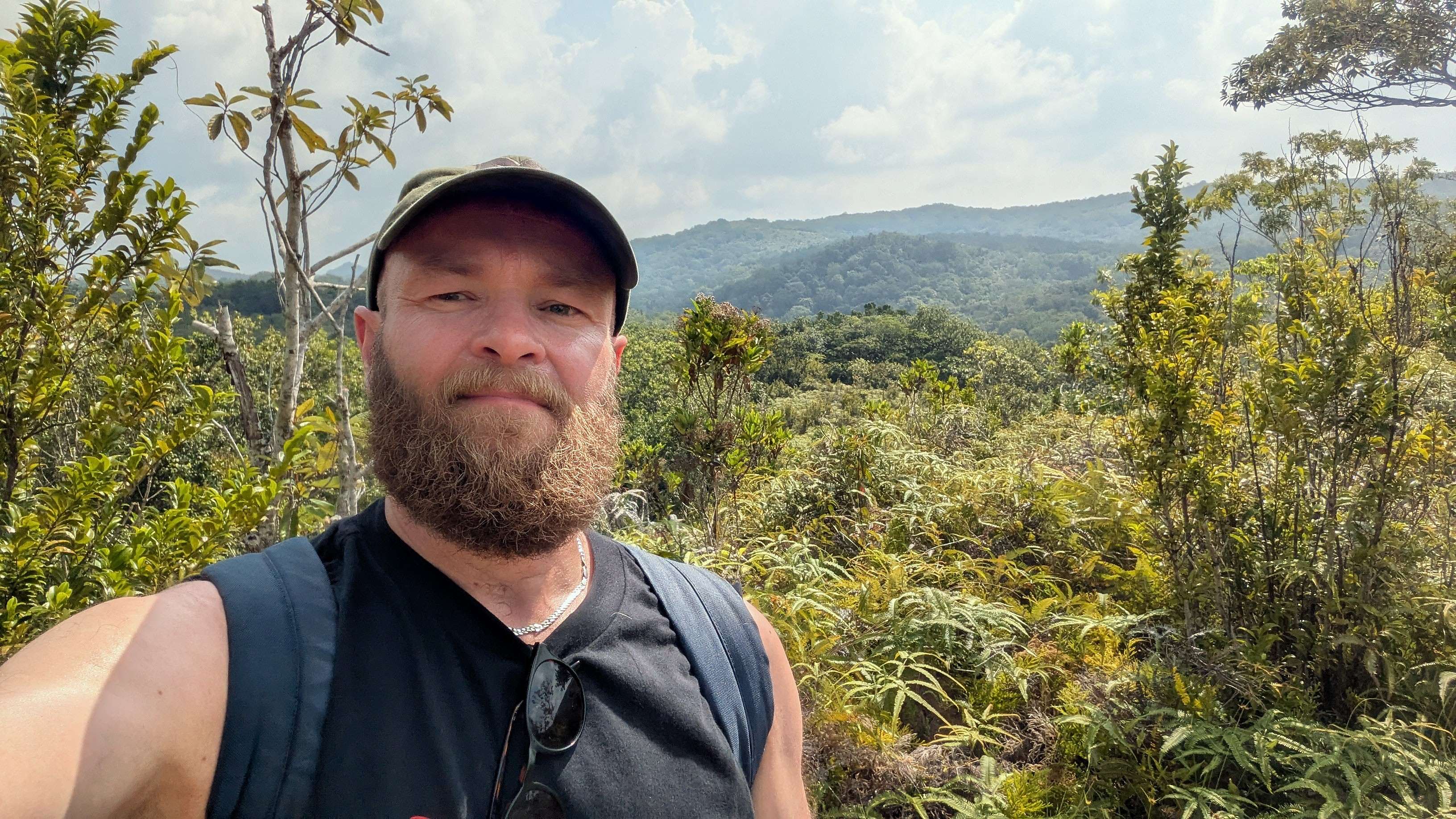
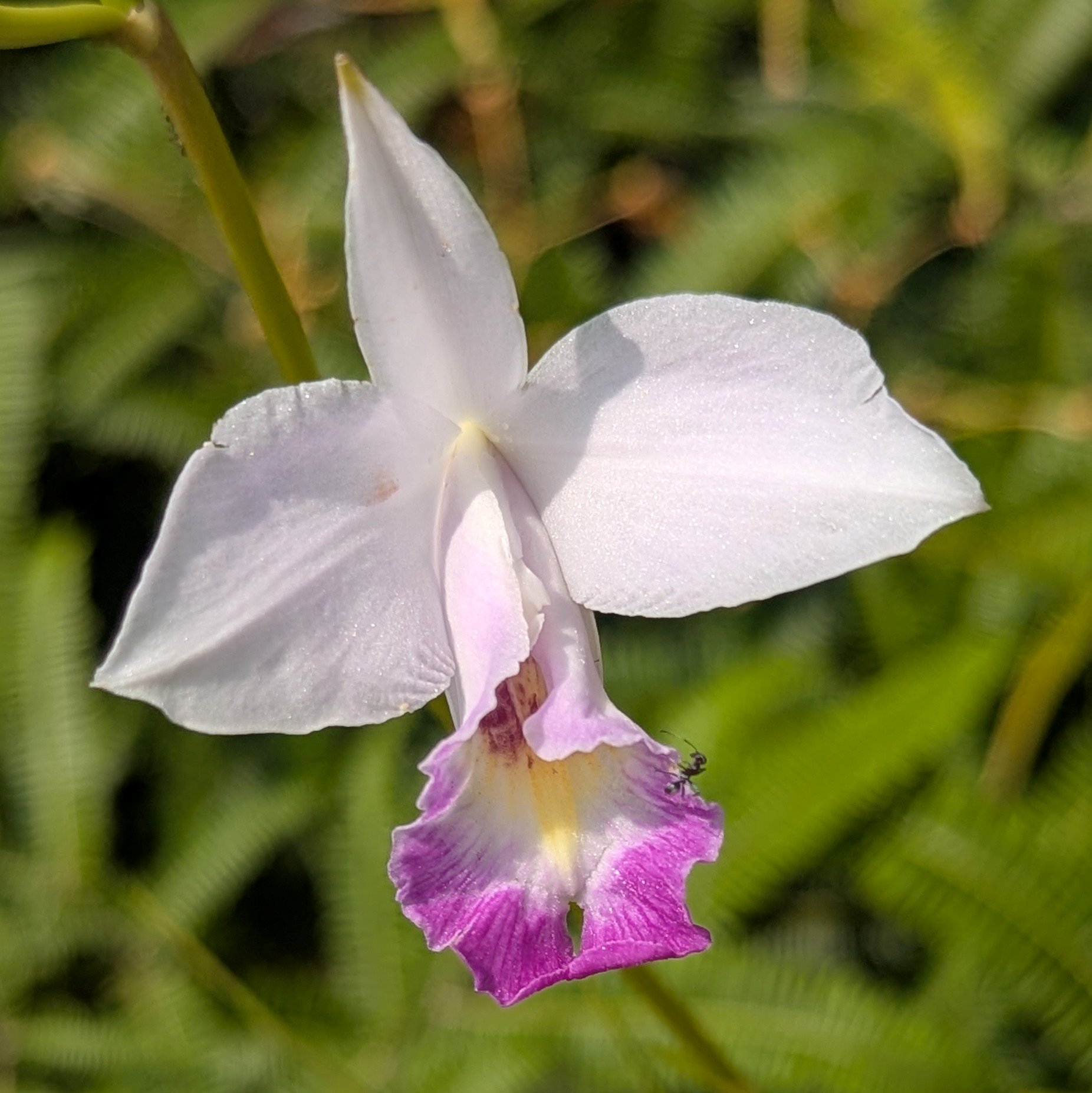
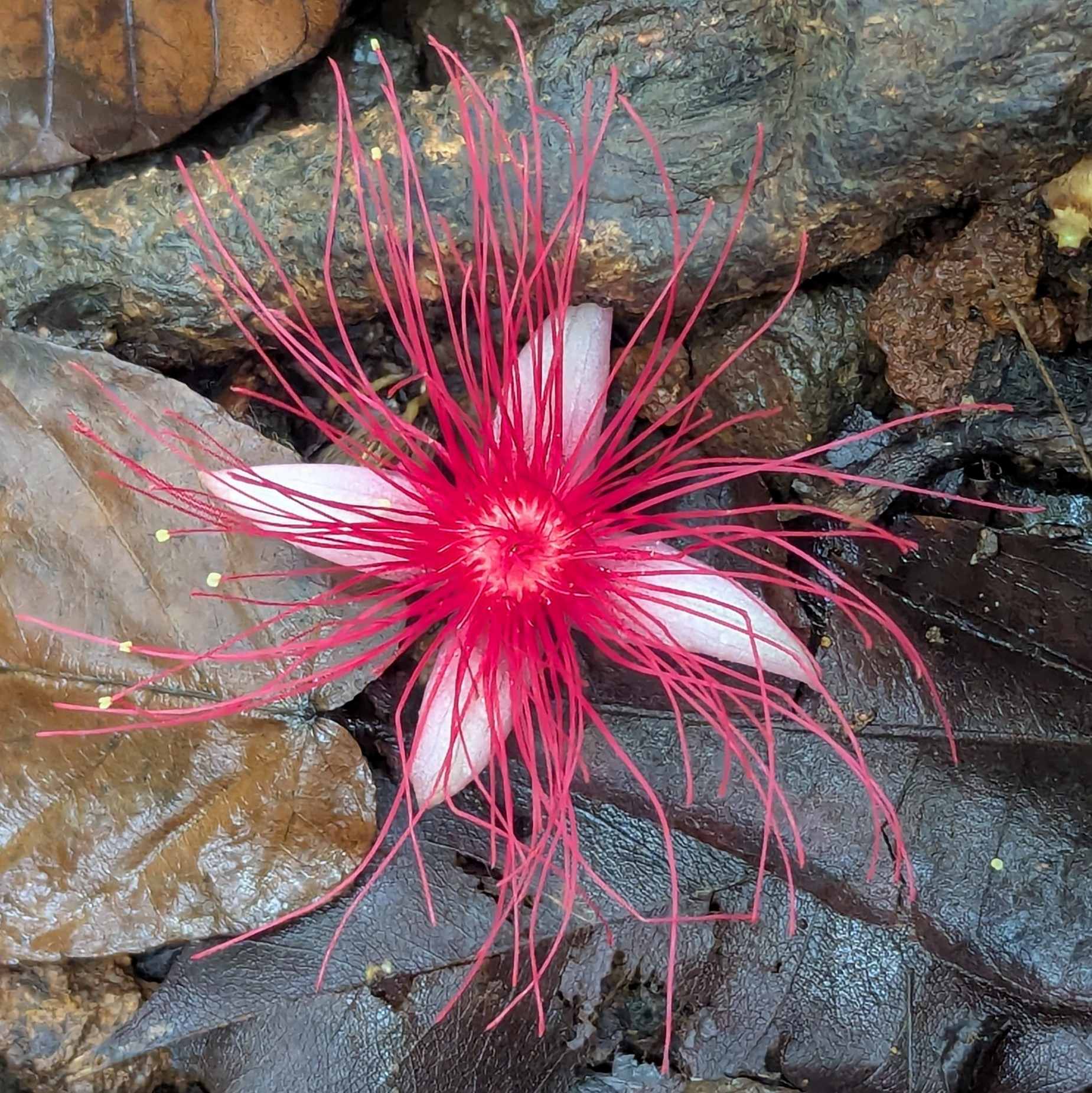
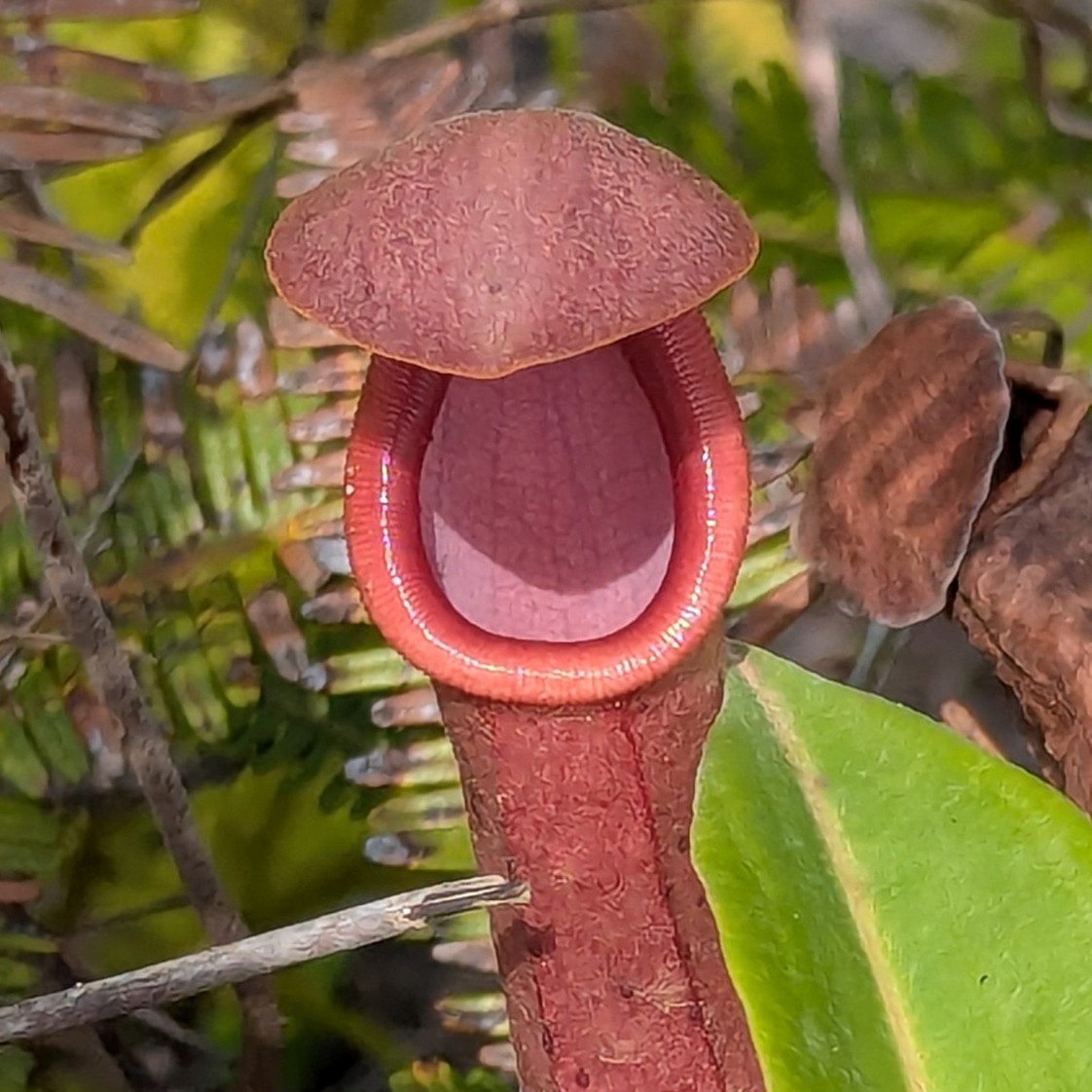
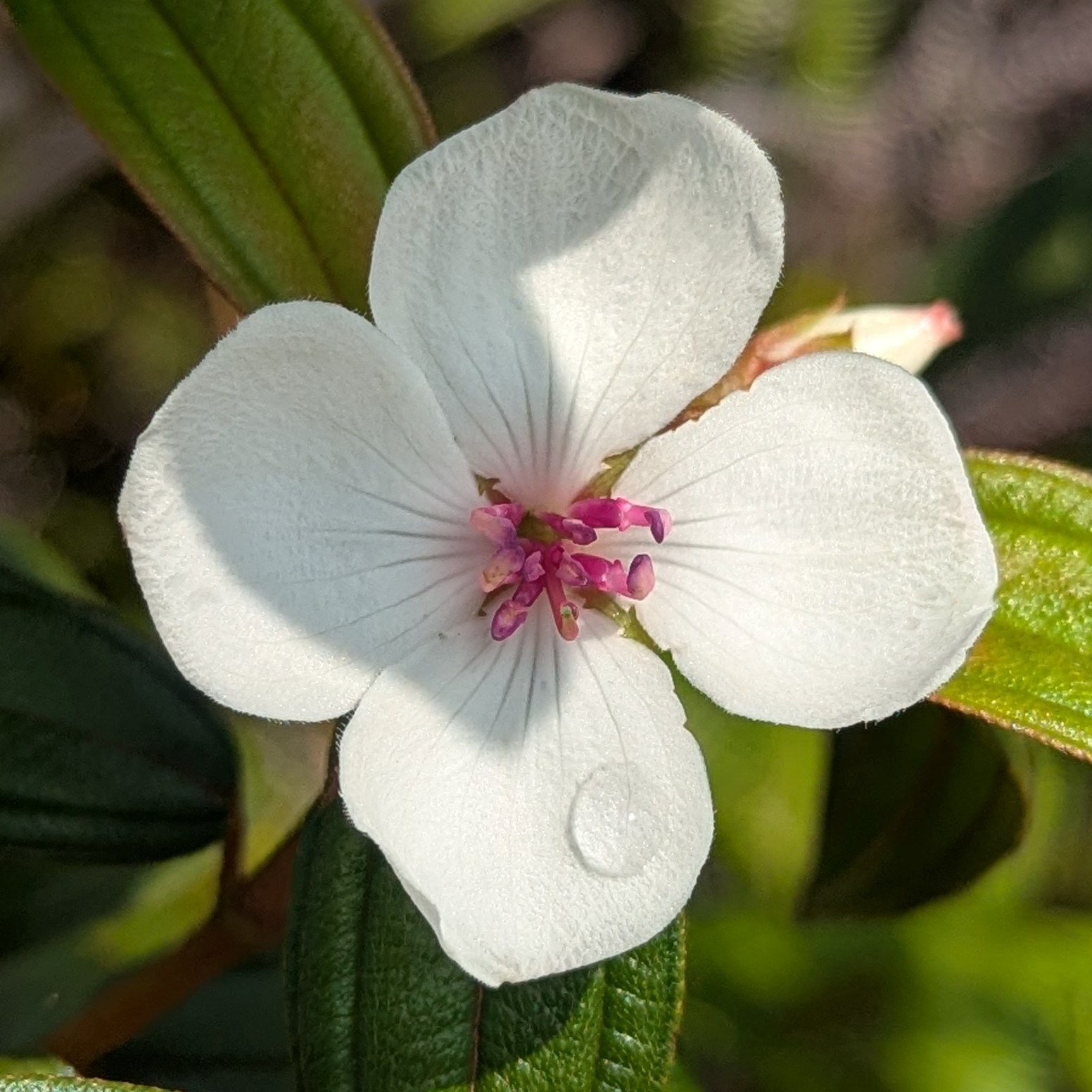
Hiking a satisfying four kilometre slice of jungle rainforest down to Ngardmau Waterfall. The trail is punctuated by exquisite little wildflowers which are easily missed if you are only focused on the destination rather than the journey.
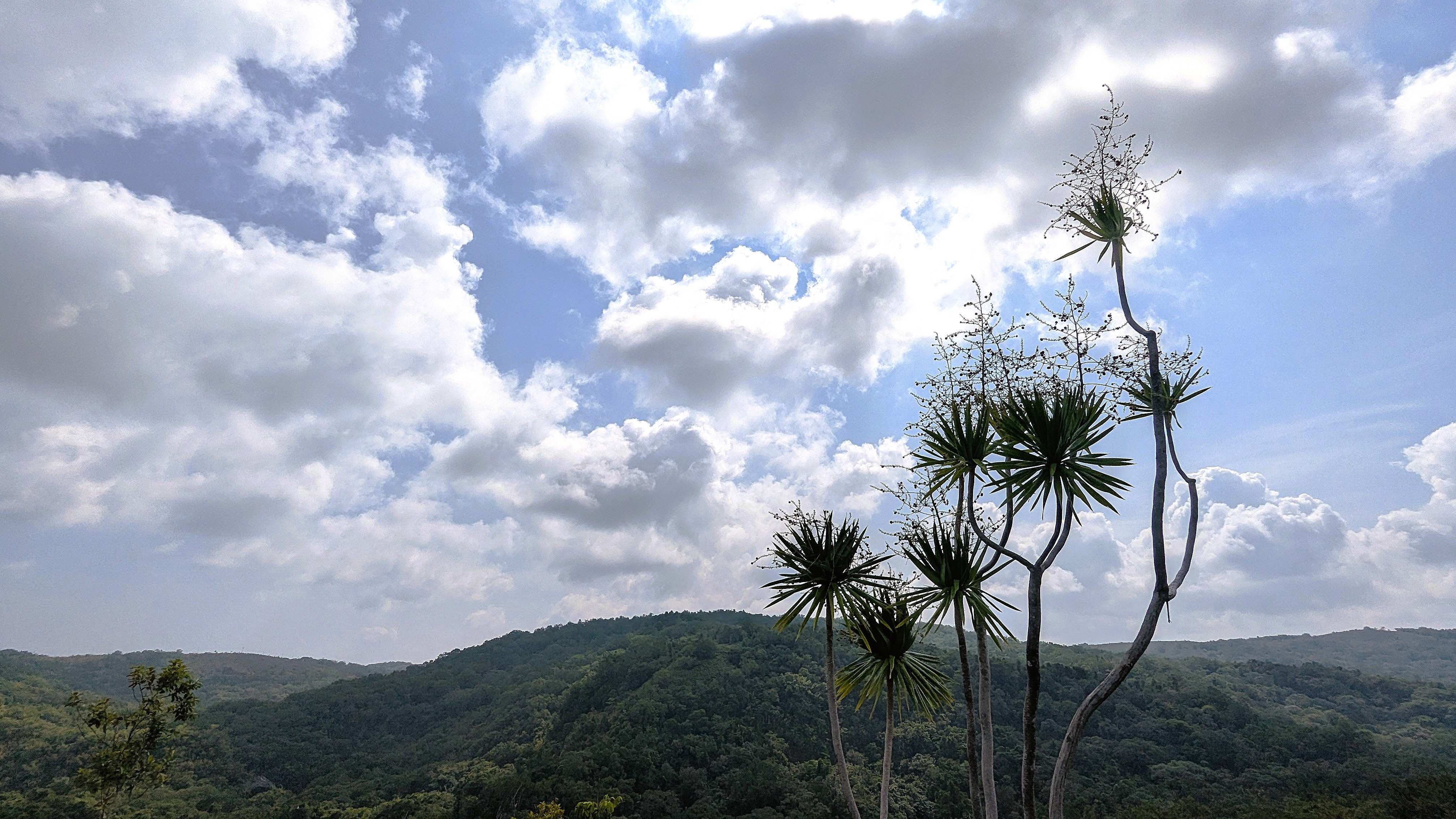
Above the jungle: an evocative vista out across the jungle rainforest. A Screwpine, common throughout Palau, is silhouetted against a humid sky.
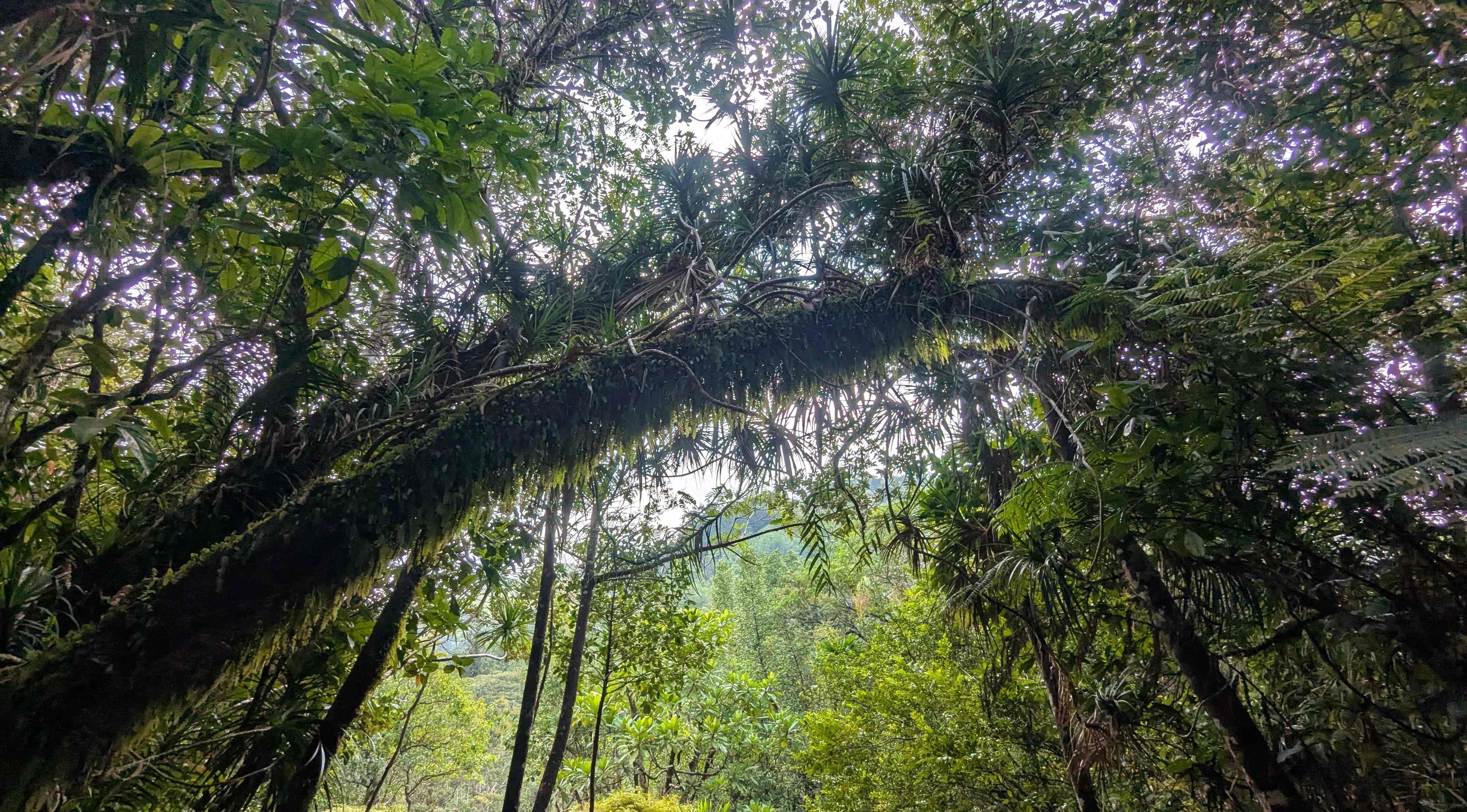
In the jungle: the wonderful density of the Ngardmau jungle rainforest, part of the Taki Conservation Area. Be careful: there is a tree native to Palau which is poisonous to the touch (see here).
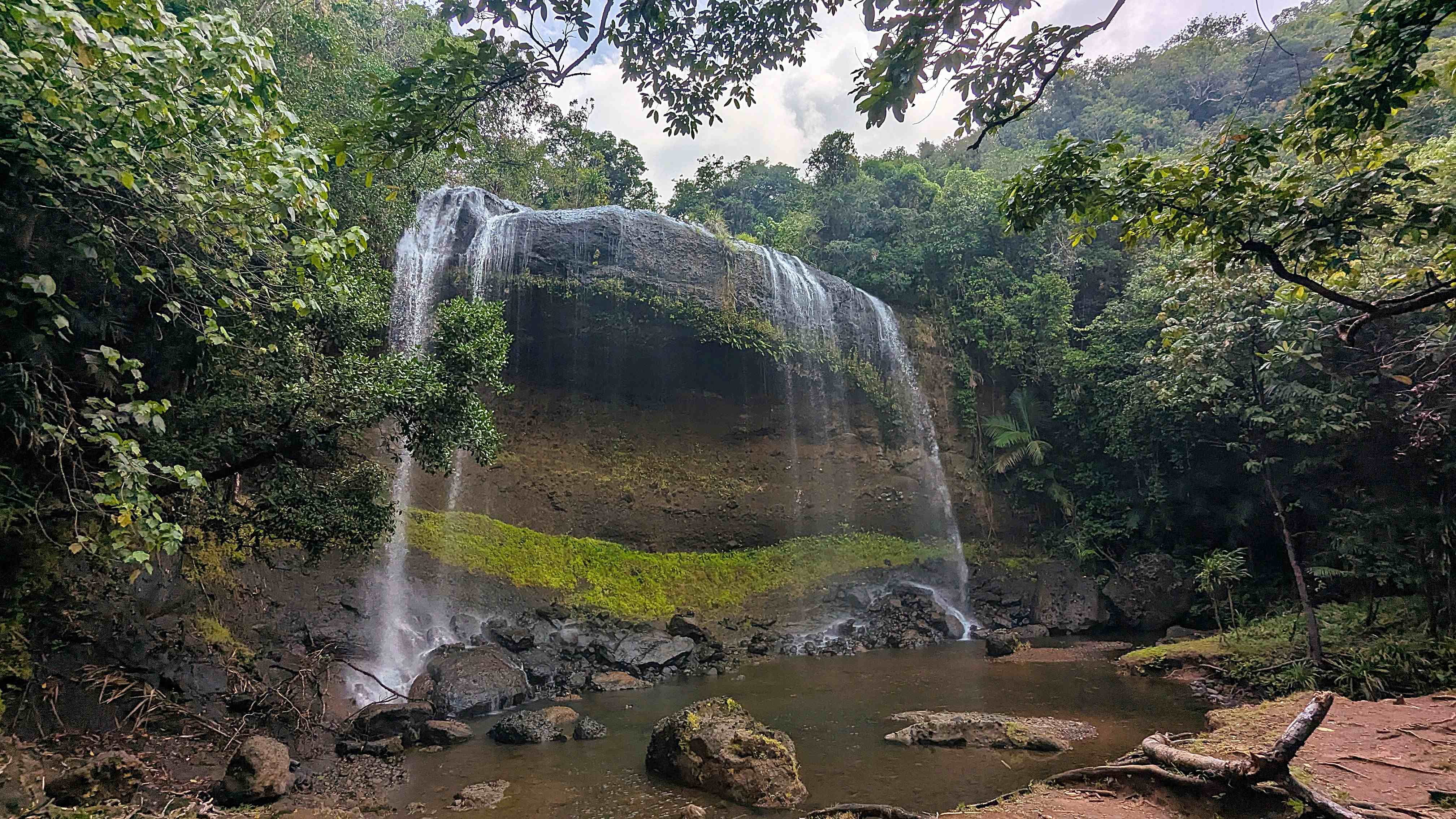
Ngardmau - the largest waterfall in Palau - and Micronesia!
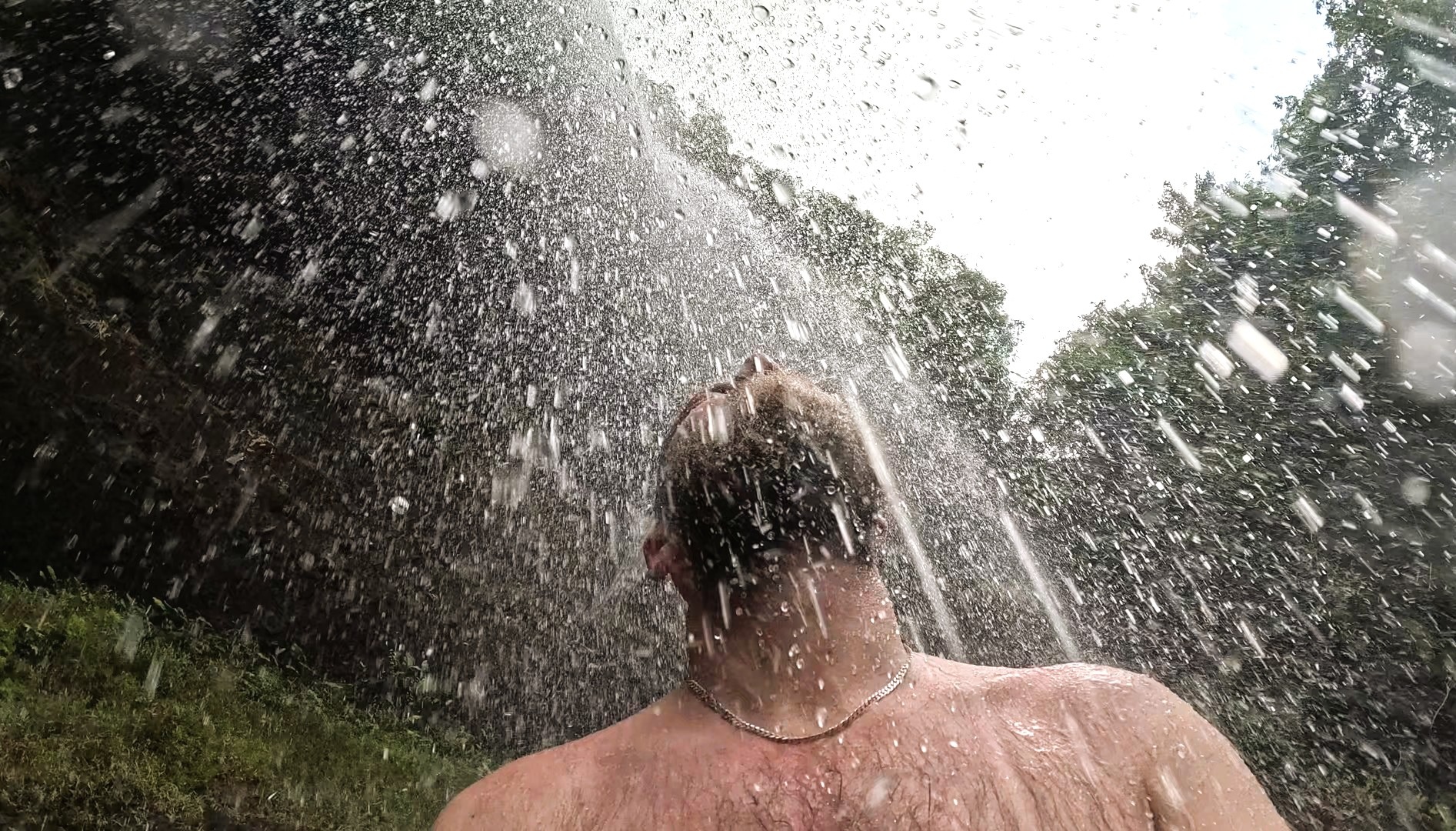
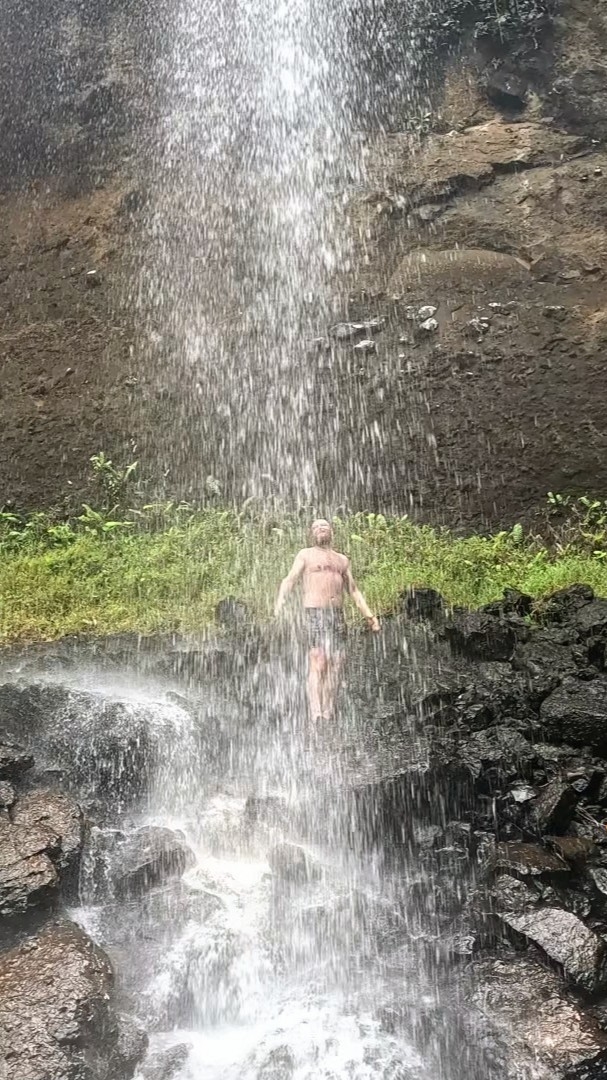
Showering under Ngardmau's jets hovered between the pleasurable and the painful. From a distance it is easy to misjudge the ferocity of the waterfall.
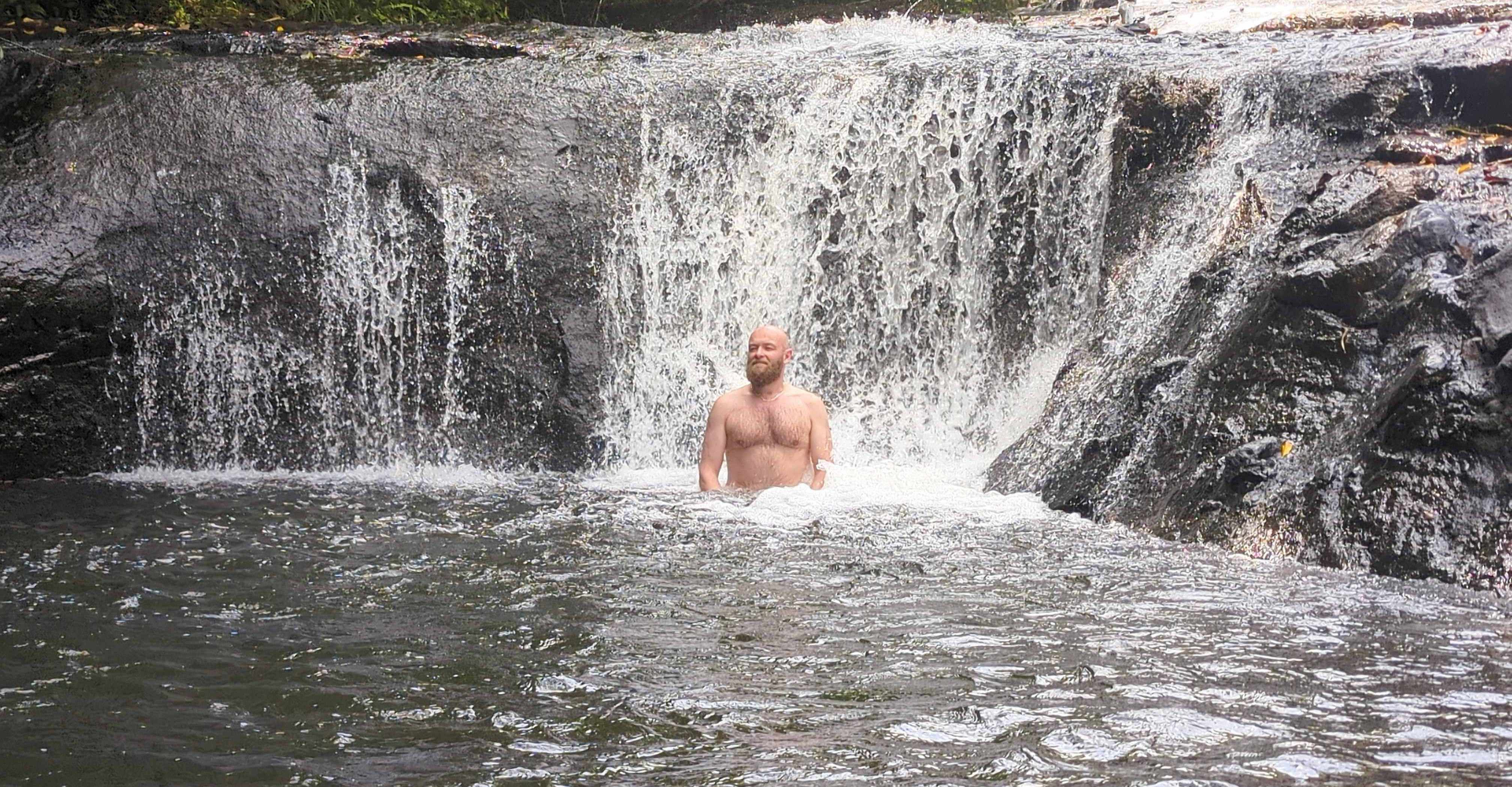
At the more modest Mesekelat Waterfalls.
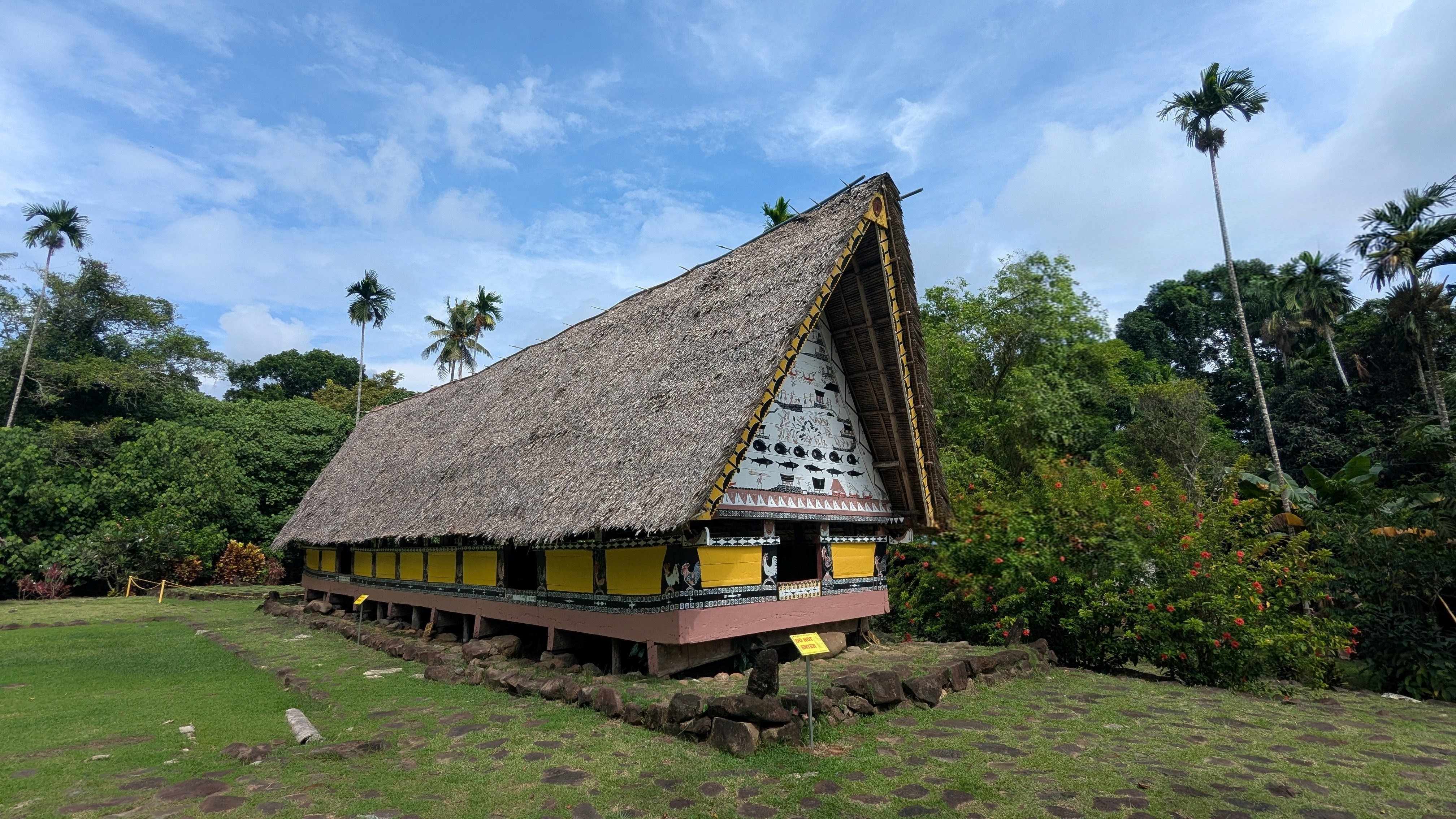
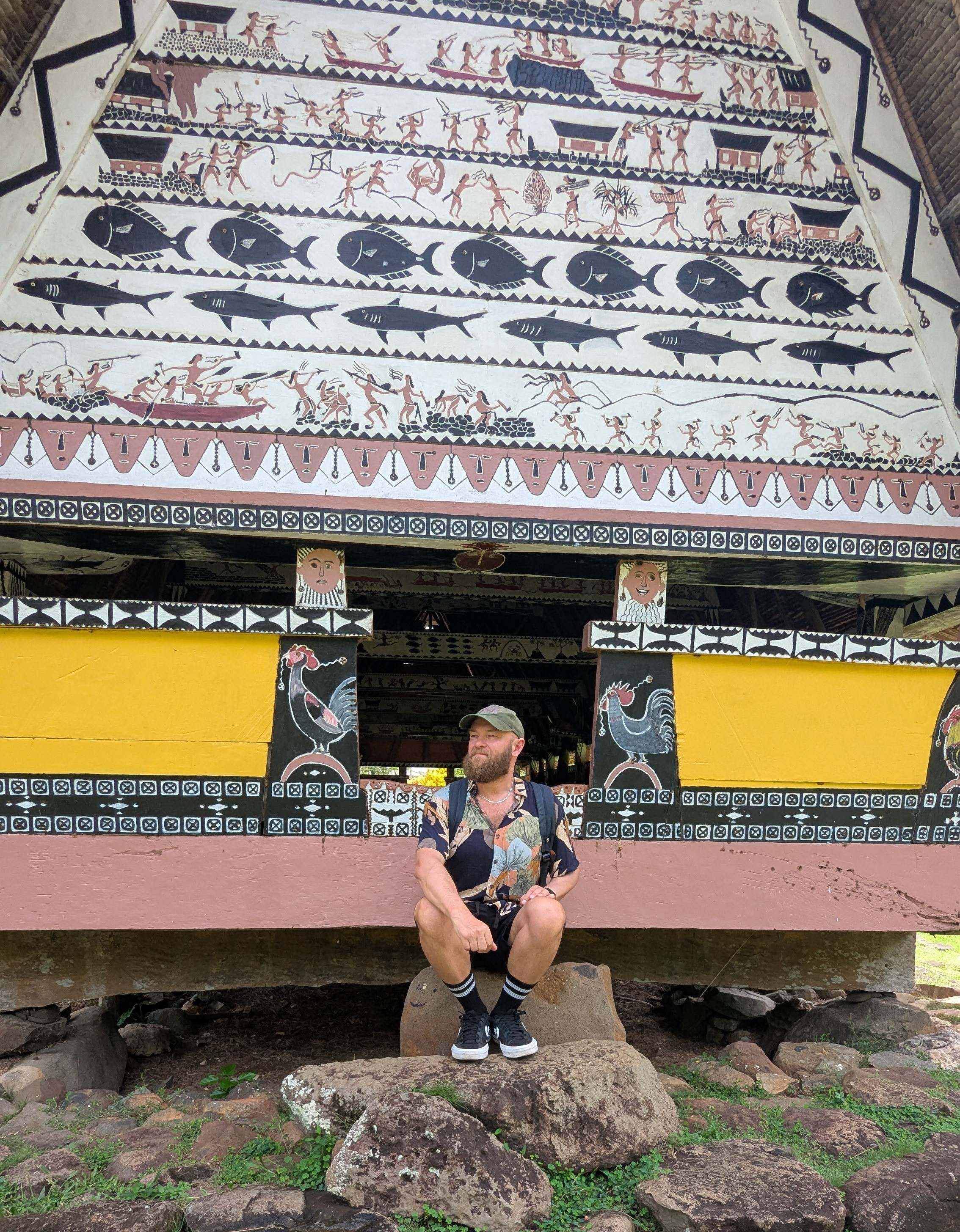
The wonderful Airai Bai on Babelbaob Island. This is Palau's oldest Bai longhouse. It is still used by village chiefs to meet and make decisions on important local matters.
travel tips, links & resources
- Flights to and from Palau are relatively limited. Off season (three quarters of the year) flights from Australia are weekly. Peak season (December to February) flights double to twice per week meaning you have the more viable option of staying four days instead of eight.
- Palau is a very safe country to travel in. However, your biggest danger are the defensive and territorial dogs sat in the front gardens of most local homes. Only a few are chained up - the rest are off leash and run towards you barking aggressively. I have never been so terrified. I walked slowly and steadily, making sure I kept to the middle of the road. Watch out for Palauan dogs if you're heading off the main streets.
- As with many Pacific island countries, things are expensive in Palau. Some were near double what I would pay back in Australia. My advice is to bring what you can with you and declare this on Entry Permit.
- Downtown Koror has a few well-stocked supermarkets such as WCTC and Suranglel's. These have most of what you'll need if you're intent on cooking your own meals like I did. There are also a few shops where you can purchase the kinds of things you may have left behind at home: goggles, sandals, hats.
- Reports on the safety of tap water vary. Some say it's mostly safe in populated areas, other sources say it isn't. I stuck to bottled water, using boiled and treated water (Aquatabs) for brushing my teeth and washing up. I also came across online reports that some brands of bottled water sometimes fail bacterial tests. Choose your brand carefully.
- Transport options are very limited in Palau. There are few buses, no trams, no trains nor taxis. That's right: no taxis! Your only choice is to join a tour if you want to get to anywhere worth seeing. Relatedly, make sure you book an airport pickup through your hotel otherwise you'll be left standing alone outside the airport arrivals hall; there's no taxi rank at the airport.
- Palau is the land of the permit. The first one you will need is the Entry Permit, which is Palau's digital arrival card. Advice is to apply for this no earlier than three days before your departure. My permit came through instantly as a QR code. Taking a photo of the one that appears on screen as soon as you submit your application scans at the border. At time of travel, September 2026, the permit was free.
- Permits are required for the majority of outdoor experiences in Palau. There are two permits available, both lasting for five days. They cost $50 or $100USD depending on which type you purchase. They can be bought independently or, more easily, arranged through your tour company. The permit is basically a piece of card which you date and sign on the back. If you haven't firmed up your itinerary by the time you need to buy a permit, I'd advise buying the $100 permit as this will cover you for all future eventualities.
- Tour companies run tours with a minimum requirement of two people. If you're travelling alone off-season or shoulder season this can be a problem getting exactly what you want when you want. This will likely not be a problem during the peak tourism season, but the reverse may be true: tours may be booked up. If travelling off season, be flexible. If travelling peak season, try to book your tours before arriving in Palau. I used the Rock Island Tour Company (RITC) for two tours and they were excellent. Their website is here. I also used IMPAC tours. They were satisfactory. You can get their details from the Pristine Paradise Palau website here.
- Invest in a GoPro: much of what you will probably get up to in Palau will involve water in one way or another. If you have been thinking of buying one, and are going to Palau, now's your impetus to take the purchase plunge.
- The Airai Bai is a culturally sensitive site. You can't just wander around taking photos. I arranged my tour through the Palau Visitors Authority office on the Main Road.
- When hiking in jungle areas, watch out for the Poison Tree. Sometimes these trees are labelled with warning notices "Tonget" (as seen here in Ngardmau). Touching any part of the tree can lead to blisters, burns and intense skin reactions.
you may also like